
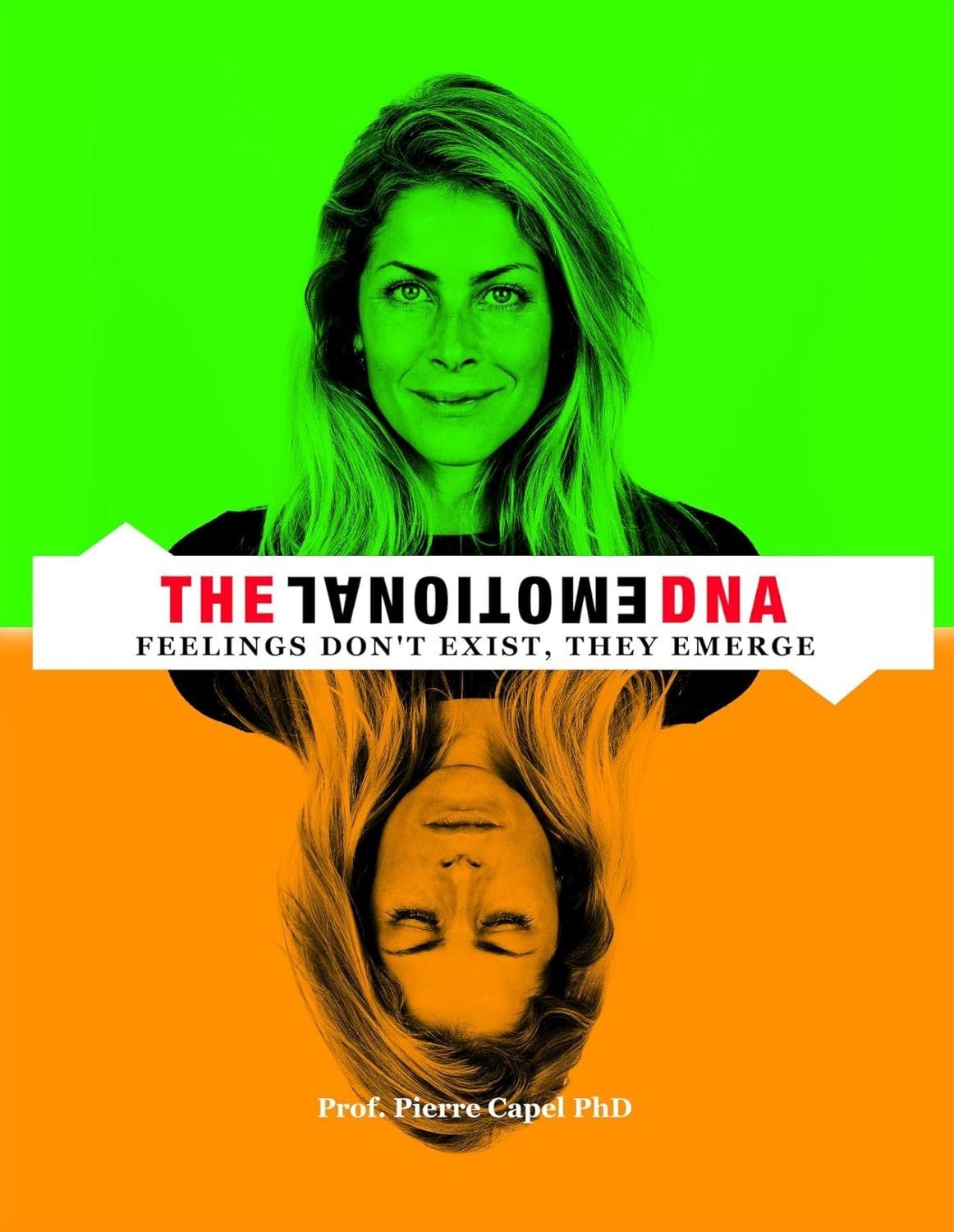
I did a course with Pierre Capel, emeritus professor of experimental immunology, last year. He wrote the book; The Emotional DNA. What becomes clear: feelings don’t float around like mist; they emerge from deep, measurable biochemistry in the body. He argues that emotions have real biological heft; enough to shape health, illness and even how long we live.
Most of us believe we’re rational beings, but feelings are as biochemical as any physical process in the body. They aren’t just mental fog; they are hormones, transcription factors, protein cascades and gene regulation at work. This biochemical machinery shows how emotional states drive bodily processes right down to the cellular level, including how cells use their DNA.
Feelings control vital biological systems; immune response, inflammation, stress hormones, tissue repair and more. They even steer transcription factors, which switch genes on or off. That’s epigenetics: if stress hormones are high for long enough, gene networks can be persistently altered, sometimes across generations.
Capel doesn’t shy away from the darker side. Chronic stress, social isolation, anxiety and trauma don’t just “feel bad”; they trigger biochemical states that make disease more likely. Throughout The Emotional DNA, he shows how negative emotional patterns are linked to the onset and progression of conditions like arteriosclerosis, diabetes, depression, pain syndromes and even tumours.
Conversely, positive feelings and supportive environments have just as much power to shape biology; mediating inflammation, aiding recovery and improving resilience. Practices like movement, meditation, deep breathing and human connection don’t just feel good; they alter the body’s stress biology in ways modern medicine is only beginning to understand.
His central message is that your emotional life and your physical health are inseparable. Trauma isn’t just a memory; it’s a set of biochemical states, hormonal rhythms and gene expression patterns. When those systems are overloaded, the body becomes vulnerable: chronic pain, autoimmune flare‑ups, metabolic dysfunction and cardiovascular strain aren’t random; they are the biological consequences of unhealed emotional load.
In this light, healing isn’t about “thinking positive”; it’s about engaging the body’s own self‑regulating mechanisms: nourishing environments, supportive relationships, restful sleep, embodied practices and emotional processing. Capel’s work doesn’t obscure science with mystique; it grounded it. Feelings are real, biochemistry is real, and you’re not just your mind; you’re your whole, living, adaptive body.