
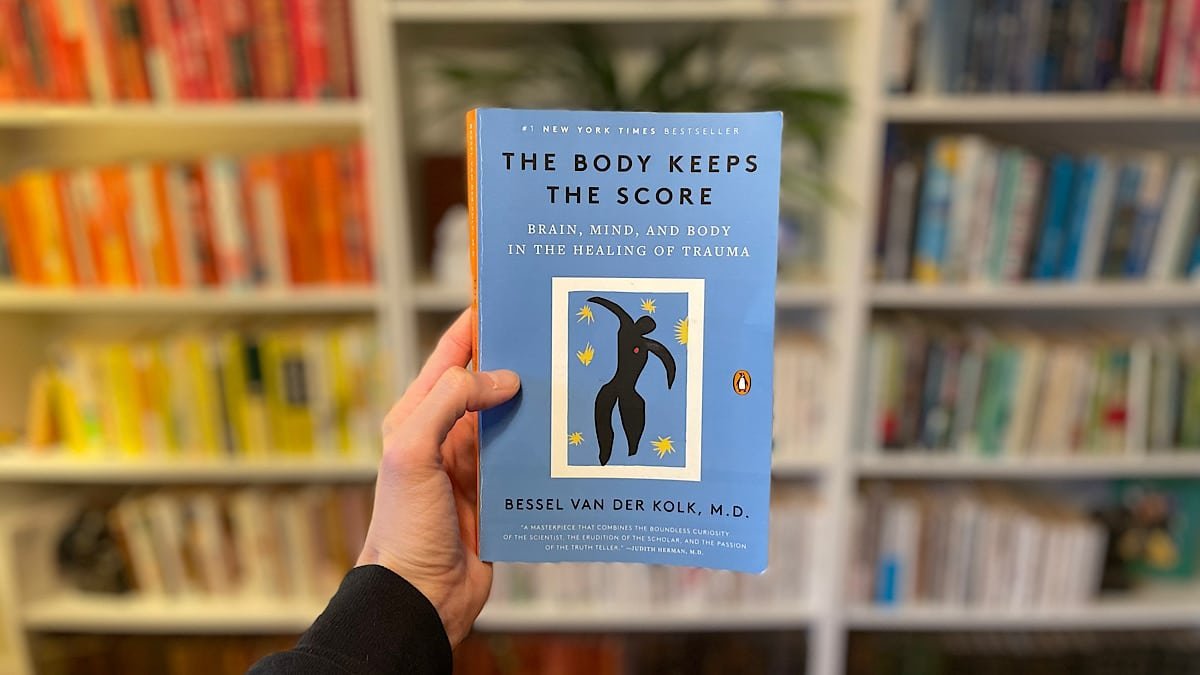
Real trauma isn’t just in your head. Bessel van der Kolk, Peter Levine, Jan Bommerez and other pioneers have shown that trauma is stored in the body, and that’s where healing has to start.
Shock trauma hits fast: car crashes, assaults, natural disasters. One-time, intense events can trigger PTSD, leaving you anxious, sleepless, irritable, emotionally numb, or hyperalert.
Developmental trauma is different; and far trickier. Repeated stress in childhood, neglect, abuse, chaotic families, or loss rewires the brain before it’s fully formed. Adrenaline and noradrenaline overload become the norm, disrupting how the nervous system, neurons, and neurotransmitters develop. Kids develop coping strategies; surface-level functioning that hides deep physiological and emotional scars. Unlike adult PTSD, developmental trauma affects your entire wiring, your sense of safety, your ability to regulate, and the way you relate to others.
Van der Kolk puts it plainly: for children, trauma often comes from the people meant to protect them. When caregivers instill fear instead of safety, shutting down is learned early; and the body never forgets.
Safe attachment plus skill-building gives lifelong emotional regulation. Miss that? Coping becomes survival mode: over-giving, self-neglect, hypervigilance, avoidance, self-harm, self-medication, etc. That’s why somatic therapies; bodywork, movement, sensing; are essential. The body remembers first; the mind follows.