
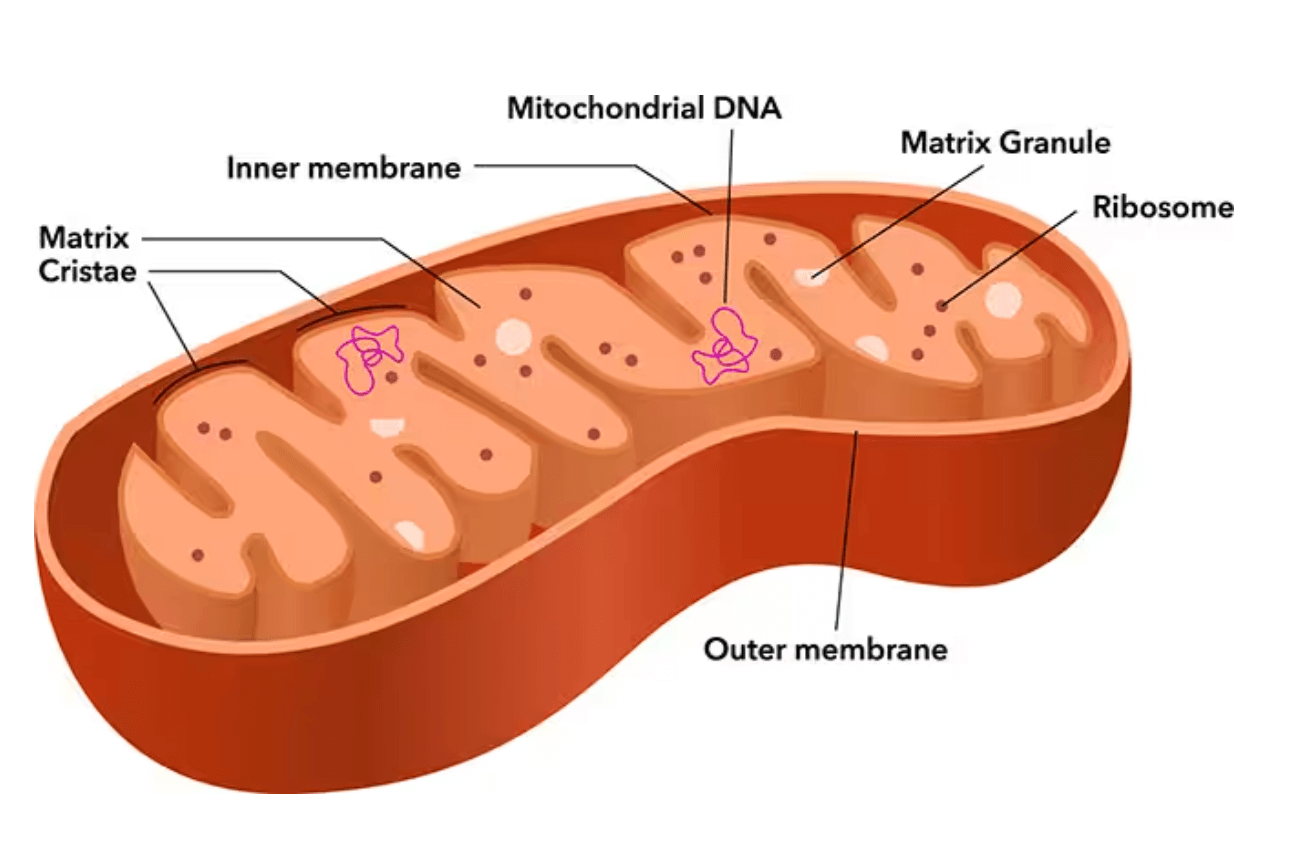
Mitochondria are often called the “powerhouses” of our cells because they produce the energy that every organ and tissue in the body needs to function. When they are not working efficiently, people may experience symptoms such as fatigue, brain fog, poor recovery, muscle weakness, hormonal imbalances, or a general feeling that their body is running on empty.
From the perspective of Andreas Moritz, reduced mitochondrial function is not considered a problem that starts inside the mitochondria themselves. Instead, it is seen as the result of a body that has become overwhelmed by chronic stress and toxicity.
According to Moritz’s philosophy, modern life places an enormous burden on the body. Emotional stress, poor diet, environmental toxins, medications, lack of sleep, unresolved emotions, and impaired digestion are believed to gradually reduce the body’s ability to eliminate waste efficiently. As this burden increases, the body shifts more of its energy toward survival and repair rather than optimal energy production.
In this view, mitochondria simply respond to the environment they are living in. If the cells are exposed to ongoing stress or an accumulation of waste products, the mitochondria may intentionally slow down their energy production as a protective adaptation. Rather than seeing this as a defect, Moritz viewed it as the body’s intelligent attempt to preserve itself under difficult circumstances.
This perspective also helps explain why so many people today struggle with low energy despite normal medical test results. The issue is not a lack of willpower or a single disease, but a body that has gradually lost its ability to maintain balance. Restoring mitochondrial function therefore involves improving the overall internal environment by supporting digestion, reducing toxic burden, managing stress, improving nutrition, and allowing the body’s natural healing processes to function more effectively.