

aonm.org/mitochondrial-testing/
The mitochondrial tests described below are designed to evaluate how efficiently your cells are producing energy and whether there are signs that your cellular energy systems are under stress. While these tests do not diagnose disease on their own, they can provide valuable insight into how well your mitochondria are functioning and where additional support may be beneficial.
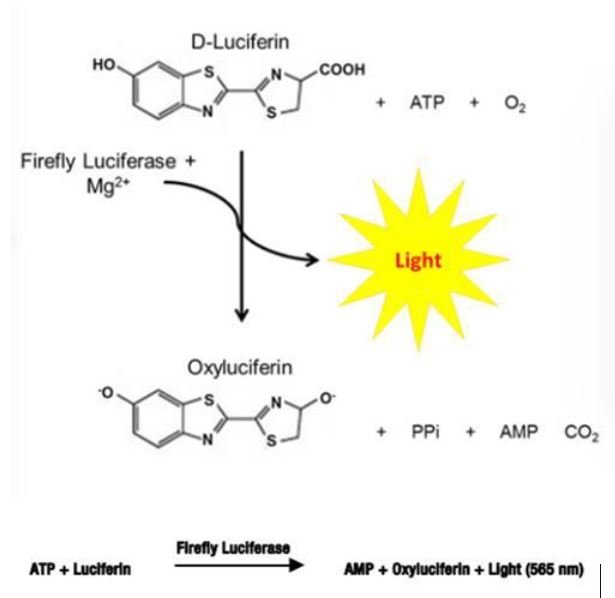
The AONM mitochondrial tests are not looking for a specific disease. Instead, they measure how well your cells are producing and managing energy. Mitochondria are often called the “power plants” of the cell because they make ATP, the molecule that provides energy for almost everything your body does. (Academy of Nutritional Medicine)
Here’s a simple explanation of the main things they measure:
- How much energy your cells produce (ATP)
- They measure the total amount of ATP your blood cells can make.
- This gives an idea of whether your cells are producing enough energy.
- How well your mitochondria work
- They assess how much of that energy comes from the mitochondria themselves.
- If this is lower than expected, it may suggest the mitochondria aren’t functioning optimally.
- Whether your cells are relying on a “backup” energy system
- Cells can also make energy without using mitochondria (through glycolysis).
- The test looks at whether your cells depend more on this less efficient pathway than they should.
- How much spare energy capacity your cells have
- Healthy cells can increase energy production when they’re under stress or during exercise.
- The test measures whether your cells have this “reserve capacity” or are already working close to their limit.
- How efficiently oxygen is used
- Mitochondria use oxygen to generate energy.
- The test measures how efficiently this process works and whether energy production is being lost or wasted.
Some of their additional tests also look at:
- the number of mitochondria in your cells,
- whether your body is making new mitochondria,
- signs of oxidative stress or mitochondrial damage,
- the balance between lactate and pyruvate, which can indicate how cells are processing fuel,
- and certain mitochondrial DNA changes that may be associated with ageing or cellular stress. (AONM Shop)
One important point: these tests are intended to provide information about cellular energy metabolism, but AONM also states that they do not provide a medical diagnosis on their own. The results are meant to help a qualified healthcare practitioner interpret a person’s overall clinical picture.