
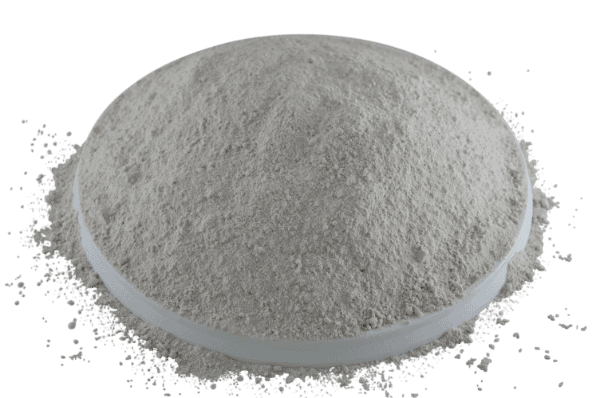
Diatomaceous earth is a 100% natural product composed of the fossilised remains of microscopic aquatic organisms known as diatoms. While the name may not be familiar to everyone, many people encounter it indirectly in everyday products such as toothpaste, filtration systems, and personal care items.
In addition to industrial and household applications, diatomaceous earth is also used as a mechanical insect control agent and as a dietary supplement for humans and animals.
What Is Diatomaceous Earth?
Diatomaceous earth (also known as kieselguhr) consists primarily of silica (silicon dioxide). It is a very fine powder with naturally abrasive properties.
It is used in:
Insect control
Water filtration
Personal care products
Animal feed
Dietary supplements
Reported Benefits and Uses
1. Detoxification Support
Diatomaceous earth is described as a natural detoxifying agent. It is said to bind unwanted substances within the digestive tract and assist in their elimination. For this reason, it is often included in detox formulations.
Attributed benefits include:
Cleansing of the digestive tract
Support of liver function
Absorption of harmful substances
Reduction of parasitic load
It may be used both internally and externally.
2. Parasite Control
Externally, diatomaceous earth is used against parasites such as poultry mites. The fine powder works mechanically by damaging the protective outer layer of insects, leading to dehydration.
When added to animal feed, it is reported to contribute to reduced internal parasite presence.
3. Mechanical Insect Control
Diatomaceous earth acts physically rather than chemically. Insects that come into contact with the powder experience damage to their outer protective layer, causing moisture loss and eventual dehydration.
It is commonly used against:
Ants
Cockroaches
Bed bugs
Fleas
Dust mites
4. Water Filtration
The product is used in filtration systems, including aquariums, where it helps remove impurities from water.
5. Bone and Connective Tissue Support
Diatomaceous earth contains silica. A 2007 study published in the Journal of Nutrition, Health and Ageing reports that silicon may play a role in supporting bone and connective tissue health and may help protect against low bone density (osteoporosis).
6. Skin, Nails and Teeth
Due to its mild abrasive properties, diatomaceous earth is used in toothpaste and polishing products. It can also be used as a skin exfoliant. Its mineral content, including calcium, is referenced in relation to strong bones, nails, and teeth.
Safety
According to the source, food-grade diatomaceous earth is considered safe for both internal and external use in humans and animals. It is used globally in certain food, beverage, and supplement applications.
It is important to distinguish food-grade diatomaceous earth from industrial grades (such as pool filtration types), which are not suitable for internal consumption.
Reported Health Benefits
The following potential effects are described:
Improved digestion and more regular bowel movements
Support of liver and colon function
Enhanced detoxification and removal of heavy metals
Support of the immune system
A cleaner home environment free from insects
Healthier-looking skin, hair, and nails
Stronger bones and support against osteoporosis
Healthier joints and tendons
Increased energy
Flea control and skin support for pets
Use as a Dietary Supplement
Silicon dioxide is described as an important nutritional element with potential anti-ageing properties.
An example of suggested use is one teaspoon of food-grade diatomaceous earth mixed in water each morning, followed by additional water intake throughout the day.
Diatomaceous earth is a natural silica-rich powder derived from fossilised diatoms. It is used in insect control, filtration, personal care products, and as a dietary supplement.
Its reported properties are based on its physical structure and mineral content. As with any supplement, appropriate product quality and individual considerations are important when used internally.