

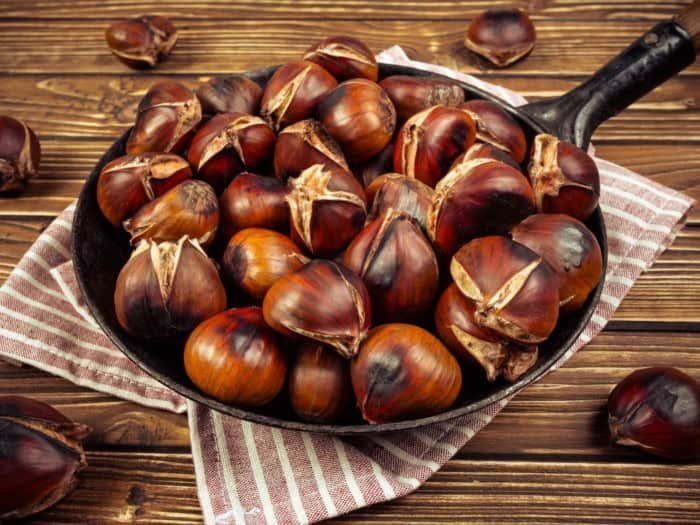
Chestnuts are edible nuts from trees and shrubs of the Castanea genus, commonly found throughout the northern hemisphere. They are distinct from horse chestnuts and are valued for their taste and nutritional profile. Chestnuts can be roasted, boiled, pureed, candied, grilled, steamed, or made into flour for baking.
They are rich in dietary fiber, vitamins, minerals, good fats, antioxidants, and other important nutrients, making them a healthy addition to the diet.
Potential Health Benefits of Chestnuts:
1. Digestive Health
Chestnuts have a high fiber content, which may:
Stimulate intestinal movement and support regular bowel function
Reduce inflammation and digestive discomfort
Improve nutrient absorption
Support beneficial gut bacteria, such as lactobacilli, according to research in Food Microbiology
2. Brain Function
Chestnuts contain B vitamins (e.g., folate, riboflavin, thiamine) and potassium, which may:
Support neurological development and brain function
Improve blood flow to the brain
Enhance concentration, memory, and cognitive performance
3. Immune System Support
Vitamin C, antioxidants, and trace minerals like copper may help:
Stimulate white blood cell production
Neutralize free radicals to prevent cell damage
Support overall immune system function
Note: Boiling or roasting chestnuts can reduce their vitamin C content.
4. Blood Pressure Regulation
Potassium in chestnuts may:
Reduce the effects of sodium
Act as a vasodilator, easing tension in blood vessels
Support cardiovascular health and reduce the risk of heart attacks and strokes
5. Heart Health
Chestnuts contain “good fats” that may:
Balance cholesterol
Reduce inflammation
Lower the risk of atherosclerosis and blood clots
Combined with potassium, these nutrients support overall heart function and circulation.
6. Bone Health
Chestnuts provide minerals such as copper and magnesium, which may:
Improve bone mineral density
Support iron absorption
Help prevent age-related disorders like osteoporosis
7. Chronic Illness Prevention
Antioxidants and minerals in chestnuts, including manganese, may:
Neutralize free radicals
Reduce oxidative stress
Potentially lower the risk of cancer and chronic illnesses
Support blood health by preventing excessive clotting
Chestnuts are a nutrient-dense nut that may benefit digestion, cognition, immunity, heart and bone health, blood pressure, and protection against chronic disease. They are versatile in the kitchen and can be incorporated into a wide variety of meals and preparations.