
Like plants, we’re wired to run on the full spectrum of sunlight, not just the harsh blue glare of office LEDs and phone screens. Red and near‑infrared light are the missing chunks in that spectrum; and most of us barely get any of them indoors.
Red light therapy is basically “light supplementation”: short daily or weekly blasts of specific red and NIR wavelengths to nudge your biology back towards how it behaves in real sunlight. Think better cell energy, calmer inflammation, and support for skin, mood and recovery; without frying yourself under a UV sunbed.
You don’t need to live in front of a panel to see something happen. One or two sessions a day of around 20 minutes is plenty for most people, and even a few sessions a week can still move the needle if you’re consistent. Panels, pads, bulbs, lasers; it’s all the same basic idea: get the right light to the right place at the right dose.
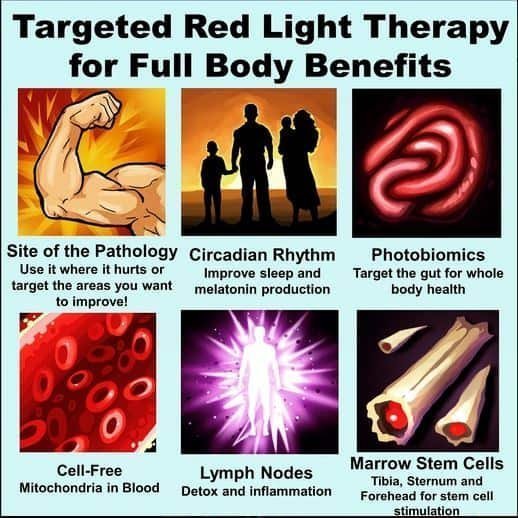
Under the bonnet, the light is taken up by structures like mitochondria and various chromophores, helping cells make more energy and tidy up damage. That’s why you see it used on everything from tired skin and hair loss to pain, wound‑healing and mood. Some setups focus on skin‑deep work, others use deeper‑penetrating NIR for joints, muscles or even brain‑targeted protocols.
Dosing and setup matter more than hype: wavelength, distance, exposure time, how often you use it, and whether the light is in direct contact with the skin all change the result. Too little and you’re wasting your time; too much and you’re just heating yourself for no extra gain.
Safety‑wise, red and NIR at sensible intensities are generally well‑tolerated, but eyes, skin conditions, meds and EMF sensitivity all deserve a bit of respect. Use proper eyewear when needed, keep skin temperature comfortable, and don’t stare into high‑intensity panels just because someone on YouTube said it’s “biohacking”.
From there you can go as nerdy as you like: penetration depths, pulsing vs continuous light, full‑body panels, targeted spot treatments, device testing, EMFs, blue‑blocking, or even using normal sunlight as your cheapest “red light device”. The linked articles and videos dive into all those rabbit holes if you want to tune your setup instead of buying whatever glossy panel is trending this week.
Introduction to Red Light Therapy | Low level laser therapy
source link:
https://gembared.com