
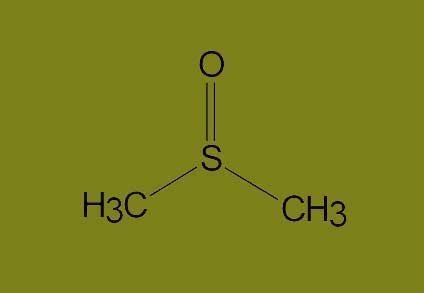
DMSO is a colorless, transparent, hygroscopic fluid that remains stable across a wide range of temperatures. It rose to prominence for its remarkable ability to pass through the skin and other biological membranes.
First discovered in late 19th-century Germany as a byproduct of wood pulping, DMSO is a sulfur-based compound found naturally in fruits, the sea, and the atmosphere. Sulfur, as part of complex molecules like DMSO, is essential to life; the eighth most prevalent element in the human body.
Uses of DMSO
People have applied DMSO for a wide range of health issues, including:
Arthritis, joint pain, tendonitis, bursitis, muscle spasms, and general stiffness
Inflammatory and autoimmune conditions such as psoriasis, eczema, scleroderma, ulcerative colitis, interstitial cystitis, and fibromyalgia
Pain management for cancer side-effects and diabetic neuropathy
Circulatory issues like varicose and spider veins
Headaches, migraines, and complex regional pain syndrome
Burns, scar tissue, and musculoskeletal disorders
Gastrointestinal disorders and Candida
It can be applied topically or used in specialized pharmaceutical formulations.

Therapeutic Properties
Referenced from DMSO, Nature’s Healer by Dr. Morgan Walker, DMSO exhibits at least 16 notable therapeutic effects:
Interrupts pain conduction in nonmyelinated nerve fibers
Anti-inflammatory
Bacteriostatic, fungistatic, and virostatic
Transports pharmaceuticals across membranes
Reduces platelet thrombi in blood vessels
Modulates cardiac contractility by inhibiting calcium
Stimulates prostaglandin synthesis, affecting multiple organ systems
Enhances antifungal and antibacterial agents
Acts as a vasodilator
Inhibits cholinesterase release
Softens collagen via cross-linking effects
Scavenges hydroxyl free radicals
Stimulates various types of immunity
Potent diuretic when administered intravenously
Supports interferon formation
Stimulates wound healing
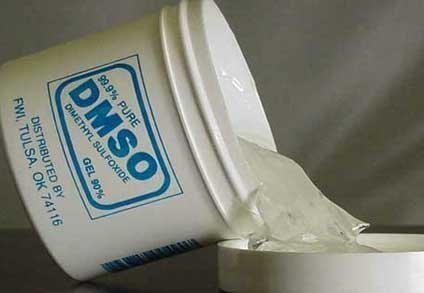
The most common application is natural pain relief. Unlike pills or injections, DMSO can be applied as a gel directly to the skin, making it highly accessible.
It works in two ways:
By blocking certain prostaglandins, similar to aspirin, controlling pain and inflammation.
By slowing or stopping conduction of pain fibers when applied topically.
Unlike aspirin, it does not irritate the stomach or gastrointestinal tract at therapeutic doses.
Where to Find DMSO
DMSO is commercially available in:
Industrial grade – often used on horses and dogs, available in farm stores
Pharmaceutical grade (99.99% pure) – for human applications, including drug delivery
Books on DMSO describe it as a “miracle” by-product of wood: capable of relieving pain, reducing swelling and inflammation, supporting healing, and restoring normal function.
Side effects can include temporary local skin irritation, a garlic taste, or odour.
Purity and accurate dosing are essential.
This text is informational and descriptive, drawn directly from sources, without medical advice or recommendation.

Healing with DMSO – Amadah Vollmer

Dmso Handbook for Doctors – Archie H. Scott
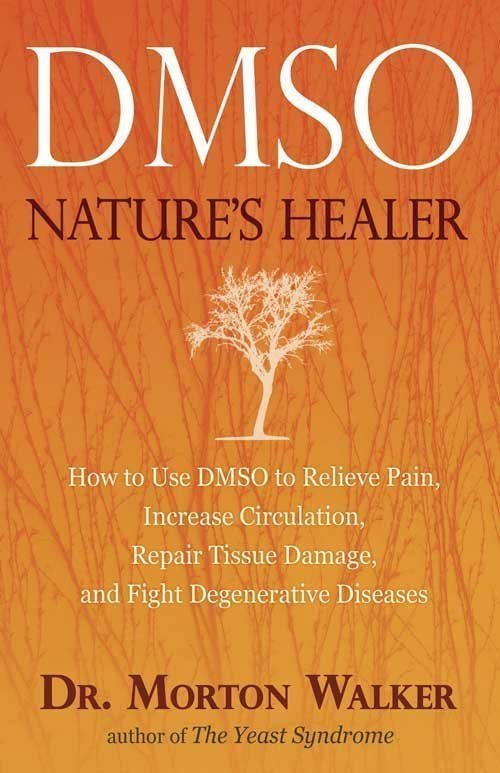
DMSO Natures Healer – Morton Walker