
1. Fiber Basics
What fiber is: Indigestible carbohydrates found in plant foods.
Types:
Soluble fiber – dissolves in water, forms gel, slows digestion, helps control blood sugar and cholesterol, fermented by gut bacteria → short-chain fatty acids (SCFAs).
Insoluble fiber – does not dissolve, adds bulk to stool, speeds GI transit, abrasive to gut lining if overdone.
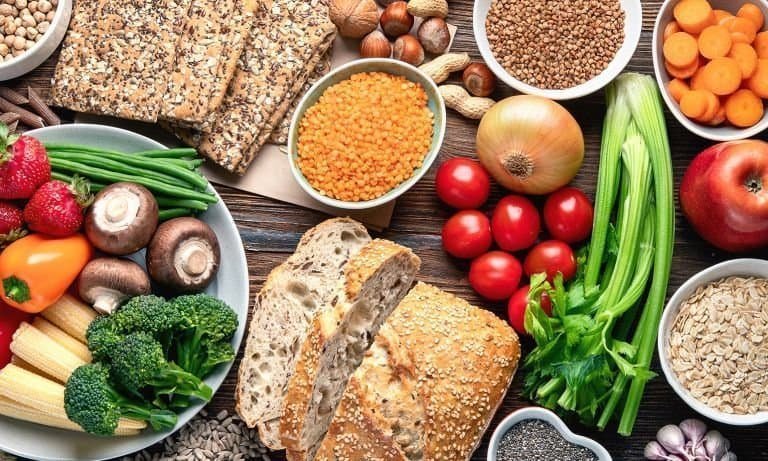
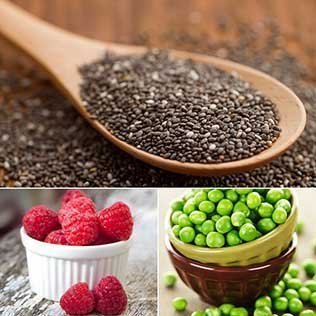
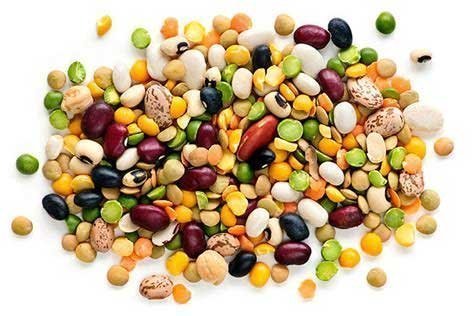
Sources: Fruits, vegetables, legumes, nuts, whole grains. Coconut fiber is an especially concentrated source.
2. Claimed Benefits of Fiber
Digestive health: Bulk helps prevent constipation, supports gut bacteria.
Cardiovascular: Soluble fiber can lower LDL cholesterol.
Blood sugar regulation: Slows glucose absorption.
Colon health: SCFAs produced by bacteria are a preferred energy source for colonocytes; may inhibit harmful bacteria and reduce inflammation.
Mineral absorption (coconut fiber exception): Unlike some fibers, coconut fiber lacks phytic acid, so it doesn’t bind minerals.
Other niche benefits: Vermifuge effects (expelling parasites) in traditional medicine.
3. Potential Downsides of Fiber
GI distress: Bloating, gas, cramps, diarrhea if intake increases too quickly or is excessive (>70 g/day).
Antinutrient effects: Phytates in bran/legumes can reduce mineral absorption (iron, zinc, calcium).
Problematic in some conditions: SIBO, IBS, diverticulosis; insoluble fiber can worsen symptoms.
Overemphasis by industry: Fiber supplements and fortified foods are marketed widely, sometimes driven more by product sales than individual health needs.

4. The Fiber-Free / Carnivore Argument
Humans evolved largely as hypercarnivores for ~2 million years; minimal evolutionary pressure to digest high-fiber plant foods.
Many fiber benefits (SCFAs, gut health) can be obtained from animal sources:
Butter, milk, yogurt → butyrate and other SCFAs.
Meat alone is naturally satiating, nutrient-dense, and may require no adaptation.
Claims: fiber is not essential for survival, weight loss benefits are mixed, excessive fiber may harm digestion.
5. Foods That Can Be “Self-Sufficient”
Ffoods that are satiating and don’t require adaptation. Examples:
Animal products: Eggs, meat, fish, poultry, organ meats.
Provide complete protein, fat, micronutrients.
Typically low in anti-nutrients.
Naturally satiating.
Certain fats: Butter, ghee, lard, coconut oil.
Fermented dairy: Yogurt, kefir → probiotics + SCFAs.
Plants almost always have some level of anti-nutrients (phytates, oxalates, lectins), but animal foods generally do not.
6. Fiber as an Industry
Yes, there’s a commercial angle:
Food manufacturers market fiber-enriched cereals, bars, supplements.
Early “fiber deficiency” studies coincided with the rise of refined grain products, which generated bran byproducts.
Fiber fortification partially maintains demand for processed foods.
Scientific validity exists for moderate fiber intake, but the degree of promotion may reflect marketing interests.
7. Bottom Line
Moderation and context matter. Fiber isn’t inherently “evil” or “magic.”
Some people benefit: those with constipation, high cholesterol, diabetes, or a diet very low in SCFAs.
Excess can harm: high-dose supplements, rapid increase, or insoluble fibers in sensitive GI tracts.
Carnivore approach works for many: adequate hydration, electrolytes, and small amounts of low-carb vegetables or fruits can maintain gut health without high fiber intake.
Fiber is not universally essential, but it can be helpful for certain people. Coconut fiber is a special case: high fiber, minimal antinutrients. On the flip side, for people who tolerate animal-based diets well, fiber can be optional.