Phytic acid is a naturally occurring compound found in grains, legumes, nuts, seeds, and some tubers. Often called an “anti-nutrient,” it can bind minerals like calcium, magnesium, zinc, iron, and copper, making them less available to the body. Phytic acid also inhibits key digestive enzymes such as pepsin, amylase, and trypsin, which can reduce nutrient absorption and impact digestion.
While some people seem less affected; possibly due to favourable gut flora or diets rich in vitamins A and D; long-term consumption of high-phytate foods without proper preparation can contribute to mineral deficiencies, poor bone growth, tooth decay, and other health problems.
Phytic Acid in Foods
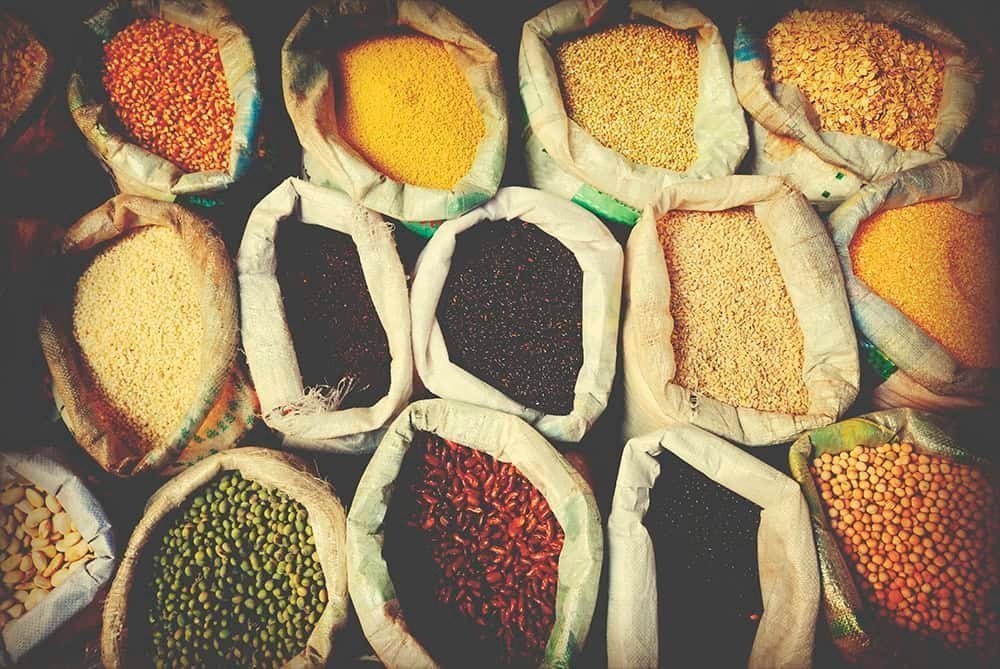
Phytic acid is concentrated in the bran or outer hull of grains, nuts, seeds, and legumes. Examples include:
Grains: wheat, rye, oats, rice, corn
Legumes: beans, lentils, chickpeas
Nuts: almonds, peanuts, sesame seeds, Brazil nuts
Seeds: pumpkin seeds, flax, cacao
Tubers: yams, arrowroot
Up to 80% of phosphorus in grains is locked as phytate, and diets high in phytates can reduce mineral absorption significantly. For instance, modest amounts of phytic acid in wheat can inhibit zinc absorption by up to 64%, while higher amounts reduce it by over 80%.
Health Implications
Mineral deficiencies – high-phytate diets can impair calcium, zinc, iron, and magnesium absorption.
Bone health – studies show diets rich in unprocessed grains can lead to rickets, osteoporosis, and poor bone development, particularly in children.
Dental health – excess phytic acid can contribute to tooth decay.
Historically, traditional cultures mitigated these effects by pairing high-phytate foods with calcium- and vitamin D-rich foods or by using preparation techniques that reduce phytic acid.
How to Reduce Phytic Acid
Proper preparation of grains, legumes, nuts, and seeds is key:
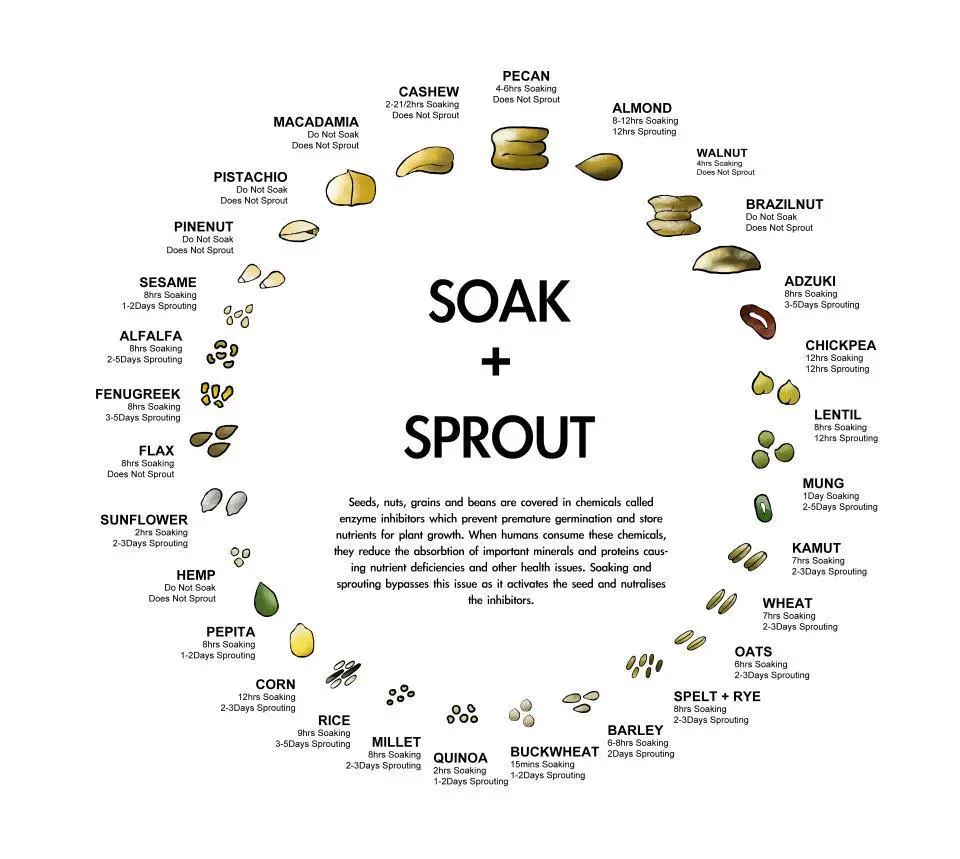
Soaking:
Grains: cover in warm, filtered water with an acidic medium (lemon juice, vinegar, yogurt) and leave in a warm spot for several hours.
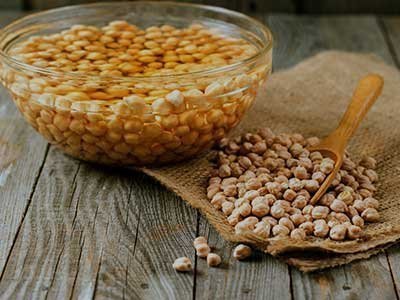
Legumes: soak for 12–36 hours, changing water once or twice. Rinse before cooking.
Nuts/seeds: soak 7–18 hours, then dehydrate or roast.
Germination/Sprouting:
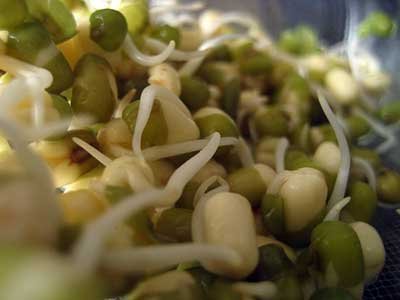
Effective for legumes and some grains. Sprouting reduces phytic acid by 25–75% depending on the food and duration.
Works best with warm temperatures and an acidic environment.
Fermentation:
Sourdough fermentation is particularly effective for wheat and rye. Four to eight hours of warm fermentation can reduce phytic acid by 60–98%.
Traditional rye sourdough starters enhance phytase activity, neutralising phytates.
Cooking Alone Is Not Enough:
Heat destroys phytase, the enzyme that breaks down phytic acid. Therefore, acidic soaking or fermentation before cooking is essential.
Tips for Everyday Eating
Limit high-phytate foods to 2–3 servings per day.
Pair phytate-rich foods with vitamin C, vitamin A, vitamin D, calcium, and healthy fats to reduce mineral-blocking effects.
Choose freshly ground grains and properly fermented or soaked breads.
Avoid unsoaked legumes, extruded cereals, unfermented soy, and raw nut butters if consuming them regularly.
Even small adjustments, like soaking oats or using a rye starter in sourdough, make grains, legumes, and nuts more digestible, nutritious, and safe for long-term health.
Phytic Acid: Friend or Foe?
Phytates may have beneficial roles as antioxidants, iron chelators, and even in potential cancer or detox therapies. However, relying on them for these purposes without considering nutrient absorption is not recommended. They are best consumed in moderation and properly prepared, especially for children, pregnant women, or anyone with mineral deficiencies.
Proper preparation of grains, legumes, nuts, and seeds allows us to enjoy these traditional foods safely and nutritiously. With soaking, sprouting, and fermentation, phytic acid’s effects can be mitigated, while maintaining the flavour and benefits of whole foods.