
source: https://www.westonaprice.org/proper-preparation-of-grains-and-legumes
1. Nutritional Profile of Legumes
Legumes (beans, lentils, peas, lupins) are nutrient-dense:
Protein: 20–36 g per 100 g; mainly globulins (~72%) and albumins (~25%). They’re incomplete proteins due to lower cystine and methionine but complement cereals well, which are low in lysine and tryptophan.
Carbohydrates: 40–63 g per 100 g; rich in starch, resistant starch (RS), raffinose-family oligosaccharides → prebiotic activity.
Fiber: 5–37 %, soluble and insoluble, supporting gut bacteria and SCFA production.
Fat: Low, 0.38–9.7 g per 100 g, cholesterol-free.
Minerals: Iron, zinc, calcium, magnesium, potassium, selenium, phosphorus; bioavailability reduced by phytic acid.
Vitamins: B-complex (folate, thiamin, riboflavin); low in fat-soluble vitamins and vitamin C.
Bioactive compounds: Phenolics, flavonoids, saponins, peptides; antioxidant, anti-inflammatory, and antimicrobial effects.
Legumes are nutrient-packed, especially for protein and micronutrients, but some nutrients aren’t fully absorbed due to anti-nutrients.
2. Anti-Nutrients (ANFs) in Legumes
Anti-nutrients are natural compounds that interfere with digestion or mineral absorption:
Phytates: Bind iron, zinc, calcium → reduced absorption.
Lectins: Can interfere with nutrient uptake; may cause GI irritation if raw.
Trypsin and chymotrypsin inhibitors: Reduce protein digestibility.
α-galactosides (raffinose, stachyose): Cause gas, bloating.
Polyphenols, tannins, saponins: Bind minerals or proteins, sometimes bitter.
Interestingly, many of these compounds are also bioactive with health benefits; antioxidant, anti-inflammatory, and even anti-obesity effects. So, they’re ambivalent: potentially harmful in high amounts if not processed, but beneficial in moderation.
3. Reducing Anti-Nutrients (Traditional Wisdom)
Traditional preparation methods are remarkably effective at reducing ANFs and improving digestibility:
| Method | What it reduces | Notes |
|---|---|---|
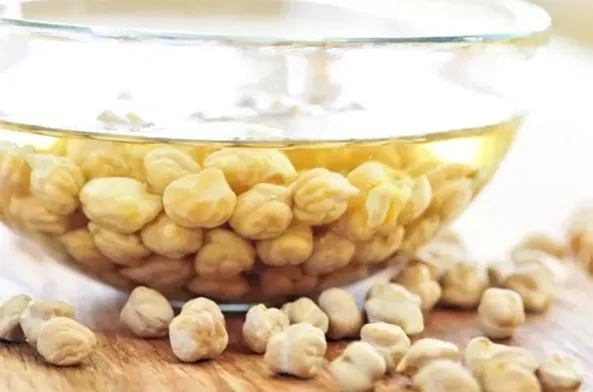
| Soaking (water + acid, 7–24h) | Phytates, enzyme inhibitors | Rinse & refresh water for best results |
| Fermentation | Phytates, tannins, lectins | Adds probiotics, increases B-vitamins |
| Germination / Sprouting | Phytates, enzyme inhibitors | Activates endogenous enzymes, boosts nutrients |
| Cooking / Boiling / Pressure cooking | Lectins, trypsin inhibitors, heat-labile ANFs | Standard for beans, lentils |
| Dehulling | Saponins, tannins | Removes outer hulls where many ANFs concentrate |
Example: Soaking kidney beans 12–24 h with water + 1 Tbsp vinegar or lemon juice, then boiling, drastically reduces lectins and phytates while improving digestibility.
4. Practical Applications for Beginners
Soak grains and legumes before cooking; add a splash of acidic medium (vinegar, yogurt, lemon).
Rinse soaked water once or twice to remove released phytates.
Cook thoroughly—pressure cooking is fast and effective.
Combine legumes with cereals for complete amino acid profiles.
Add fermented foods (yogurt, kefir) to meals to support digestion and gut microbiota.
Use traditional recipes like soaked oatmeal or pancakes for easier nutrient absorption.
These methods aren’t just folklore—they have measurable effects on nutrient bioavailability and digestibility
5. Summery
Legumes are highly nutritious but contain anti-nutrients that can impair mineral absorption and digestion if raw or poorly prepared.
Traditional soaking, sprouting, fermentation, and cooking effectively neutralize anti-nutrients while keeping their beneficial bioactive compounds.
For beginners: start with soaked and well-cooked legumes, and gradually increase intake to allow gut adaptation.
The combination of legumes + grains can overcome the “incomplete protein” issue.