
Methylene blue isn’t just a dye; it’s a compound that acts directly at the cellular level, energising mitochondria, the tiny power stations within our cells. Healthy, well-fed mitochondria support strong, efficient cells, which in turn underpin general health, cognition, mood, and longevity.
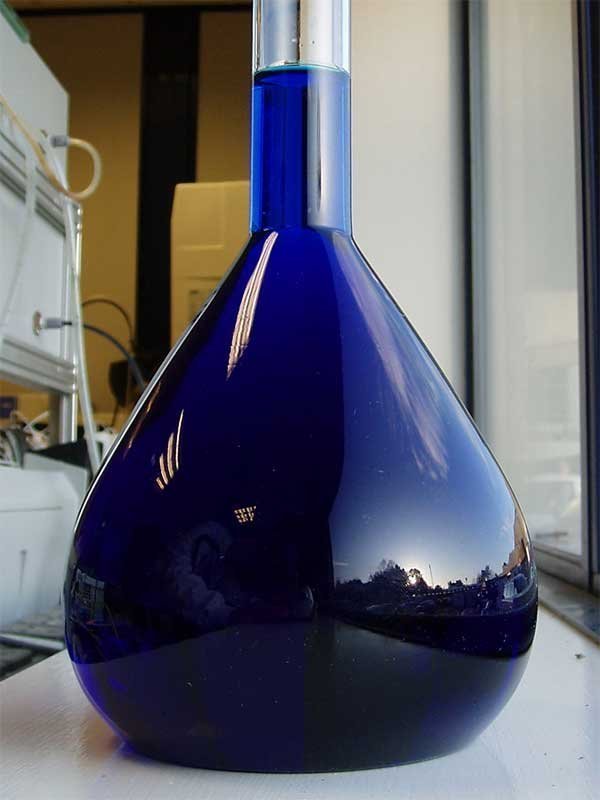
Fascinatingly, methylene blue is vividly blue; ingest it and your tongue will briefly share the hue. But beyond the theatrical, it’s a potent antioxidant, the first synthetic antimalarial (1891), and chemically related to hydroxychloroquine. It’s trusted in emergency medicine for conditions like carbon monoxide poisoning and sits on the WHO’s list of essential medicines.
US research in 2021 highlights additional benefits: potential protection against UV damage, slower skin ageing, and improved wound healing.
A Potential ‘Wonder Drug’?
Ageing hits every cell. Mitochondria lose efficiency, bones weaken, arterial plaques form, and memory falters. Methylene blue, or methylthioninium chloride, is posited to counteract these trends by boosting cellular energy production and protecting mitochondrial function.
Mark Sloan, author of The Ultimate Guide to Methylene Blue, argues it could rank among the most powerful medicines and antivirals. It may disrupt the life cycles of parasites, bacteria, fungi, and viruses – from E. coli and candida to Zika, Ebola, hepatitis, and HIV – especially when paired with red-light therapy. This enthusiasm is echoed by scientists like Bruce Ames, who in 2008 described it as a “potential wonder drug.”
Crucially, methylene blue crosses the blood-brain barrier, allowing direct impact on brain cells.
Brain Boosting and Neuroprotection
Neurons rely on mitochondria to produce ATP, the energy currency of the brain. Dysfunction here underpins diseases like Alzheimer’s, Huntington’s, and Parkinson’s. Methylene blue enhances oxygen and glucose uptake in neurons while limiting the oxidative damage that energy production can cause.
Combine it with red-light therapy and you may see a synergistic effect, potentially aiding cognitive health, wound repair, and even melanomas. Sloan argues that disease stems not primarily from genes but from poorly functioning cells. Cells that are fed well and energetically robust keep our brains, hearts, skin, and bones healthy.
Safety and Practical Use
Methylene blue has a long history: Ehrlich used it against malaria in 1891, and it selectively accumulates in tissues without causing harm. Aquarists use it to protect fish from infections.
Dosage guidance:
Medical emergencies: 1–2 mg/kg bodyweight.
Sloan recommends 10 mg daily, split across two doses, rising gradually to 20–30 mg if well tolerated.
Dr Francisco Gonzalez-Lima uses higher doses of 0.5 mg/kg (≈35 mg for 70 kg).
Administration:
Usually as a solution: 1 g powder in 100 ml water creates a 1% solution.
Temporary blue staining of tongue or teeth can be mitigated with orange juice, vitamin C, or evening dosing.
Cautions:
Avoid with SSRIs due to MAO-inhibition effects.
Not recommended for infants or pregnant women.
Shelf life:
Virtually indefinite if kept dry and dark.
In Short
Methylene blue is a rare compound that works at the core of cellular energy. It’s part antioxidant, part cognitive enhancer, part antiviral. Its potential reaches across general health, neuroprotection, and mitochondrial support. While not a cure-all, its combination of history, safety, and cellular action makes it a compelling subject for anyone interested in bioenergetic optimisation and holistic health.