
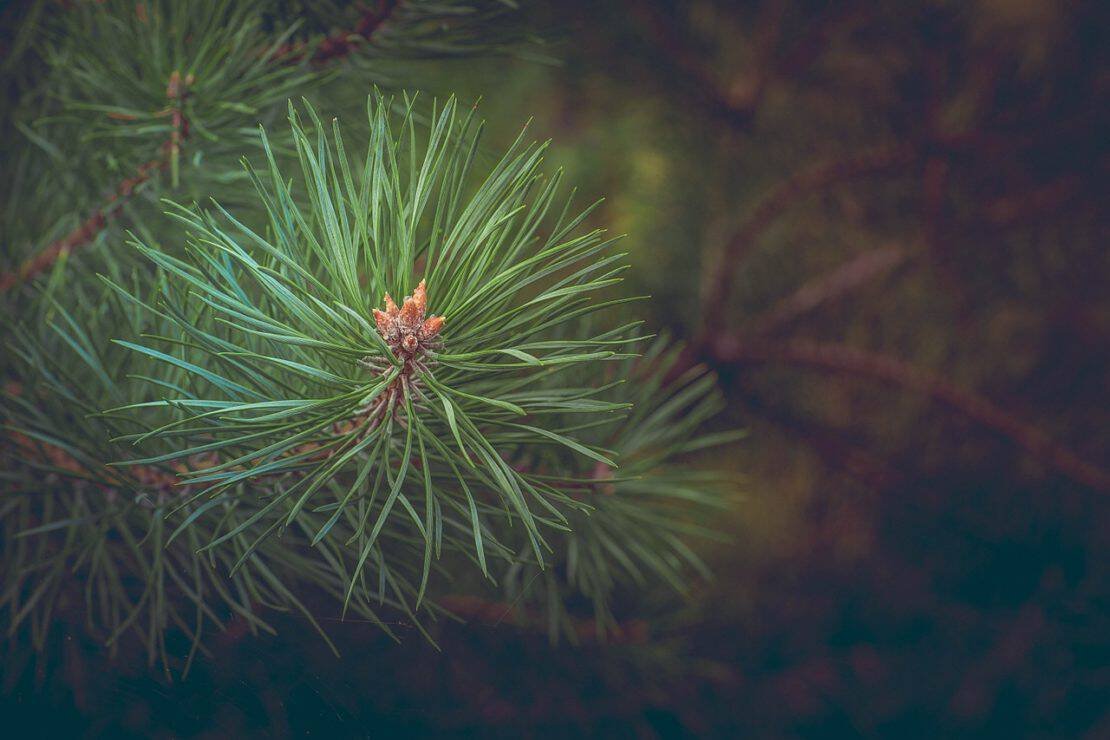
Pine Needles
Many herbal apothecaries can become extensive and overwhelming. Focusing on herbs with multiple practical applications helps keep things manageable. Pine — particularly its needles — fits this description well. It is widely available and has a range of traditional uses for both health and household purposes.
What’s So Notable About Pine?
White pine has been used medicinally since the Middle Ages. Indigenous North American peoples taught early settlers how to use the needles, bark, and sap for maintaining health.
Traditionally, pine has been regarded as antiseptic and used internally during illness. In respiratory infections accompanied by thick mucus, it has been used to help loosen and expel phlegm. Externally, preparations of pine have been applied to the skin to draw out splinters or other embedded material.
Identifying and Selecting Pine
Pine trees are native to the Northern Hemisphere and grow across varied habitats. Many species are suitable for use.
True pines are identified by their needles, which grow in bundles (fascicles) of one to six needles, most commonly two to five. Needle length varies by species.
It is important to distinguish pine from other conifers. While many conifer needles have similar properties, some species are toxic — notably yew. Most true pines are considered safe for general use, though Ponderosa pine is traditionally avoided during pregnancy.
Uses of Pine Needles
Pine needles have a variety of traditional applications — medicinal, culinary, practical, and horticultural.
Pine Needle Tea
Pine needles are noted for their vitamin C content and were historically used to prevent scurvy. They have also been described as a survival food.
A simple preparation involves gently crushing fresh needles and pouring boiling water over them to make tea.
Pine Needle Syrup
Pine needles have been used as a natural decongestant and expectorant. A syrup preparation is traditionally used for coughs and congestion, offering both respiratory support and a soothing effect on the throat.
Pine Needle Vinegar
Fresh pine needles can be steeped in apple cider vinegar for several weeks. One traditional method involves covering the needles completely with vinegar in a glass jar, sealing with a non-metal lid, and allowing the mixture to infuse for six weeks.
Pine Needle Salve
Pine needles are described as having analgesic, anti-inflammatory, antiseptic, antibacterial, and antifungal properties. Infused oils made from pine needles are used in salves for headaches, sore muscles, or as chest rubs.
Household Cleaner
Pine needle infused vinegar can be combined with baking soda and castile soap for natural cleaning applications. Pine preparations have long been valued for their scent as well as their cleansing qualities.
Garden Mulch
Fallen pine needles can be used as mulch or added to compost. They are slightly acidic, so may be balanced with other materials if soil acidity is already high.
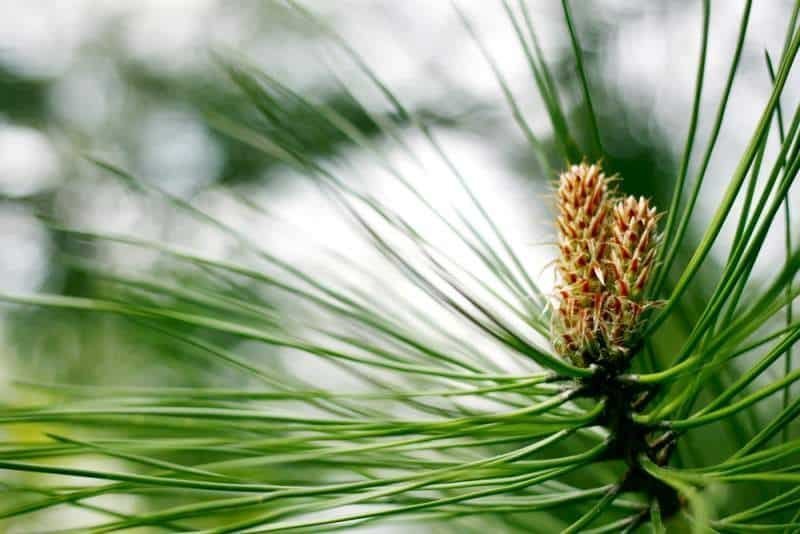
Pine Pollen
Pine pollen is produced by the male cones of pine trees. There are more than 126 species within the Pinus genus and the Pinaceae family, including:
Pinus sylvestris
Pinus longaeva
Pinus ponderosa
Pinus pumila
Pinus contorta
These species are distributed widely throughout the Northern Hemisphere.
While most people are familiar with the female pine cone, pollen is released from the male cones (catkins). In botanical terms, pollen represents the male reproductive element of the tree.
Pine trees; particularly their needles and pollen; have a long record of traditional use across cultures. Pine needles have been prepared as teas, syrups, vinegars, salves, cleaners, and garden mulch. Pine pollen is derived from male cones across numerous Pinus species.
As with all foraged botanicals, accurate identification is essential, and distinction from toxic look-alike species is important.