
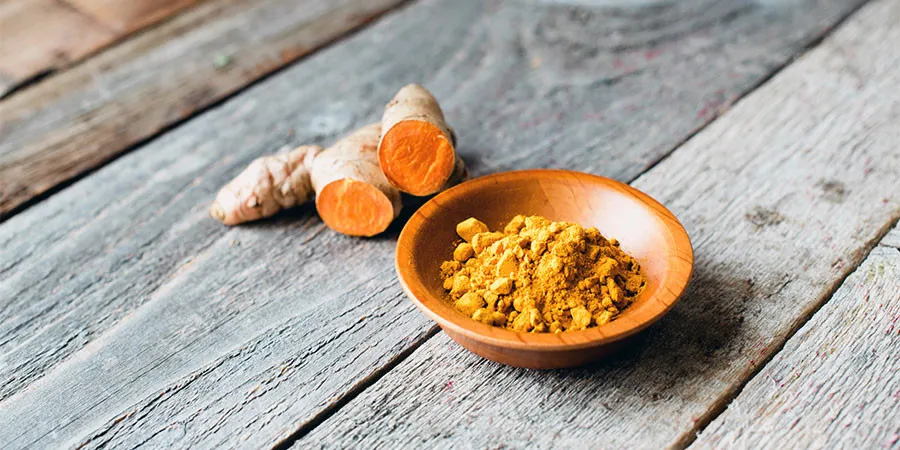
Turmeric (Curcuma longa) is one of the most researched and widely used herbs in the world, central to Ayurveda and long embedded in Asian culinary and medical traditions.
Despite often being called a “root,” turmeric is technically a rhizome — an underground stem, much like ginger — belonging to the Zingiberaceae family. Native to tropical South Asia, it thrives in warmth and heavy rainfall. The vibrant golden rhizome is harvested annually, used fresh, or dried and ground into powder.
Across cultures and centuries, turmeric has been valued not merely as a spice, but as a systemic tonic.
What Turmeric Is Known For
Turmeric’s reputation stems largely from its broad physiological reach. Traditional systems and modern research alike point to effects across multiple systems:
Digestive Support
Turmeric stimulates digestion, supports gut flora balance, and assists in protein breakdown. In Ayurvedic terms, it kindles agni — digestive fire — while reducing stagnation.
Brain & Nervous System
Research suggests neuroprotective potential. Traditionally, turmeric is described as uplifting mood, easing anxious states, and supporting cognitive clarity.
Joint Comfort
Used internally and topically, turmeric has long been applied for joint resilience and ease of movement. Its anti-inflammatory profile underpins this traditional use.
Skin & Blood
Ayurveda classifies turmeric as a blood tonic. It supports skin clarity by addressing inflammatory and circulatory factors. Its topical use in bridal rituals in India reflects this association with radiance.
Liver & Detox Pathways
Turmeric supports liver function and the body’s natural detoxification processes. Rather than “detox” in the fashionable sense, think metabolic housekeeping.
Cardiovascular Circulation
Traditionally believed to stimulate healthy blood tissue formation and circulation, thereby nourishing the heart.
Immune Modulation
Rich in antioxidants, turmeric helps buffer oxidative stress and modulate immune activity.
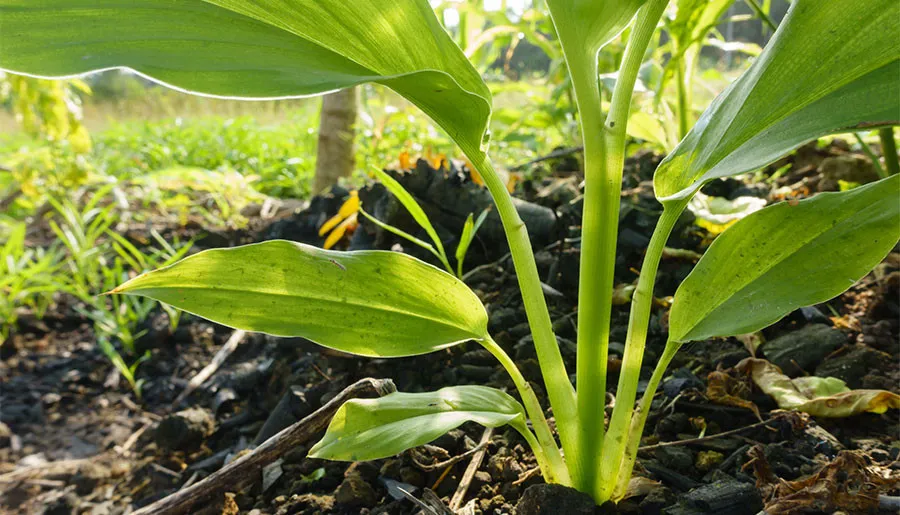
Turmeric in Ayurveda
In Ayurvedic medicine, turmeric balances all three doshas — vata, pitta, and kapha — though excessive intake may aggravate pitta or vata.
Energetically, turmeric is:
Bitter in taste (rasa)
Heating and mobilising in action (virya)
Pungent post-digestively (vipaka)
It is said to particularly nourish rasa dhatu (plasma/lymph) and rakta dhatu (blood tissue), enhancing circulation while gently cleansing stagnation.
Beyond physiology, turmeric carries symbolic weight in Indian culture — associated with prosperity, protection, and divine feminine energy. It appears in rituals, weddings, and even carvings of Ganesha.
Curcumin vs. Whole Turmeric Root
Modern science often focuses on curcumin, the primary active compound in turmeric. Standardised curcumin extracts allow researchers to quantify dosage precisely.
However, there’s a complication:
Curcumin has low bioavailability. Much of it is metabolised and excreted before it can exert systemic effects.
To solve this, researchers explored ways to increase absorption:
Piperine (Black Pepper)
A 1998 study showed that piperine (from Piper nigrum) significantly increases curcumin levels in the bloodstream.
But high-dose piperine may interfere with medication metabolism by slowing liver detox pathways — potentially increasing drug concentrations in the blood.
Patented Extracts (e.g. BCM-95)
Some formulations attempt to enhance absorption by reintroducing other compounds from the turmeric root itself, suggesting that non-curcuminoid components assist bioavailability.
The broader conclusion emerging from this line of research:
Whole turmeric root may offer synergistic advantages over isolated curcumin.
In other words, nature’s matrix often outperforms reductionist extraction.
A Holistic Perspective
Turmeric is not merely an anti-inflammatory supplement. It is:
A digestive regulator
A circulatory tonic
A mild immune modulator
A metabolic supporter
A botanical antioxidant
Rather than targeting one symptom, it works gently across systems — which is precisely why traditional medicine valued it so highly.
Practical Considerations
Best taken with food containing fat (improves absorption)
Combining with small amounts of black pepper may enhance uptake, though caution is warranted if on medication
Excess intake may aggravate reflux or heat-related symptoms
Those with gallstones or bile duct obstruction should consult a professional before high intake