
Parasites such as tapeworms, roundworms, flukes, pinworms, giardia, hookworms, and Toxoplasma gondii are more common than most people realize. They feed on nutrients and energy from their host, often living in the digestive tract, liver, or other organs, and can lead to nutrient deficiencies, fatigue, and other health issues.
Some parasites are harmless in small numbers, but infections can cause inflammation, digestive problems, and systemic illness. Symptoms may be misdiagnosed as bacterial infections, but antibiotics do not eliminate parasites.
Common Parasites
Flukes: Flatworms, e.g., liver flukes, infect liver, gallbladder, and bile ducts.
Tapeworms: Can grow feet long, lay millions of eggs, infect the intestines and other organs.
Pinworms: Common in children; transmitted via contaminated surfaces.
Giardia: Infects the small intestine; contracted from contaminated water, food, or contact.
Hookworms: Suck blood from the intestines, causing anemia and nutrient loss.
Toxoplasma gondii: Can cause birth defects and mental health issues.
Wuchereria: Spread by mosquitoes, can affect the immune system.
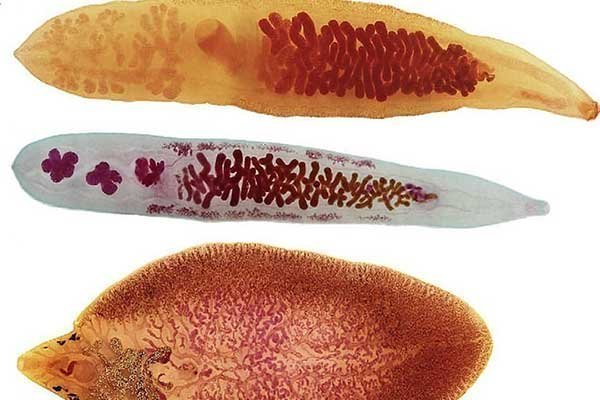
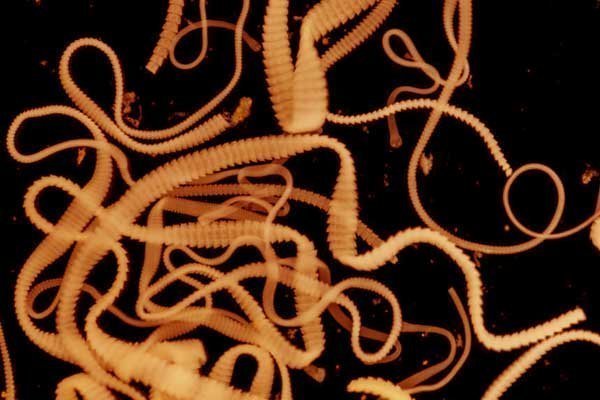
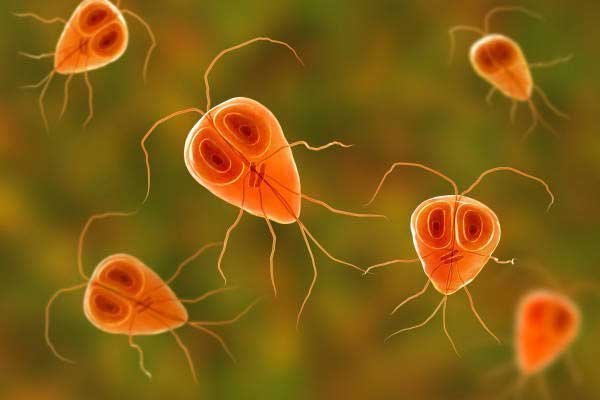
While some parasites remain relatively harmless when balanced by the body’s natural bacteria, uncontrolled infestations can lead to inflammation, nutrient deficiencies, anemia, and other health issues. Human parasitic infections are widespread in both developed and developing countries, often misdiagnosed as bacterial infections and treated with antibiotics that do not affect parasites but can harm beneficial gut bacteria.
Common parasites include liver flukes from raw seafood, tapeworms from undercooked meat or fish, pinworms in children, Giardia from contaminated water or food, and hookworms, which feed on intestinal blood and cause iron and protein deficiencies. Certain parasites, such as Toxoplasma gondii, may even affect the brain and are linked to neurological issues.
Preventing infection begins with dietary and lifestyle measures. Avoiding raw or undercooked meats and fish, as well as limiting sugar intake, can reduce the likelihood of parasite growth. Eating in a calm and relaxed environment supports proper digestion, while digestive enzymes help break down complex nutrients, reducing the food available for parasites to feed on.
Herbal remedies have long been used to target parasites directly. A well-known protocol involves three herbs: black walnut hulls, wormwood, and cloves. Black walnut and wormwood are effective against adult parasites, while cloves destroy their eggs. Using these herbs together ensures that both adults and eggs are eliminated, preventing reinfestation. Additional herbal supplements such as chanca piedra extract, milk thistle seed extract, and aloe vera juice support liver function, detoxification, and overall gut health during a parasite cleanse.
Fiber supplements, like psyllium husk or Mimosa pudica seeds, help cleanse the intestinal walls, aiding in the expulsion of parasites. Probiotics, fermented foods like sauerkraut and kefir, and sufficient protein intake support the gut lining and immune system, creating an environment less hospitable to parasitic organisms. A full-body detox, targeting the liver, intestines, and kidneys, further assists in removing accumulated toxins released by parasites.
Following these practices regularly can significantly reduce the burden of parasites while promoting general health. Maintaining strong digestion, a balanced gut microbiome, and a diet that limits parasite-friendly foods forms the foundation of long-term prevention, while targeted herbal treatments and detox strategies provide additional support for eliminating parasites from the body.