
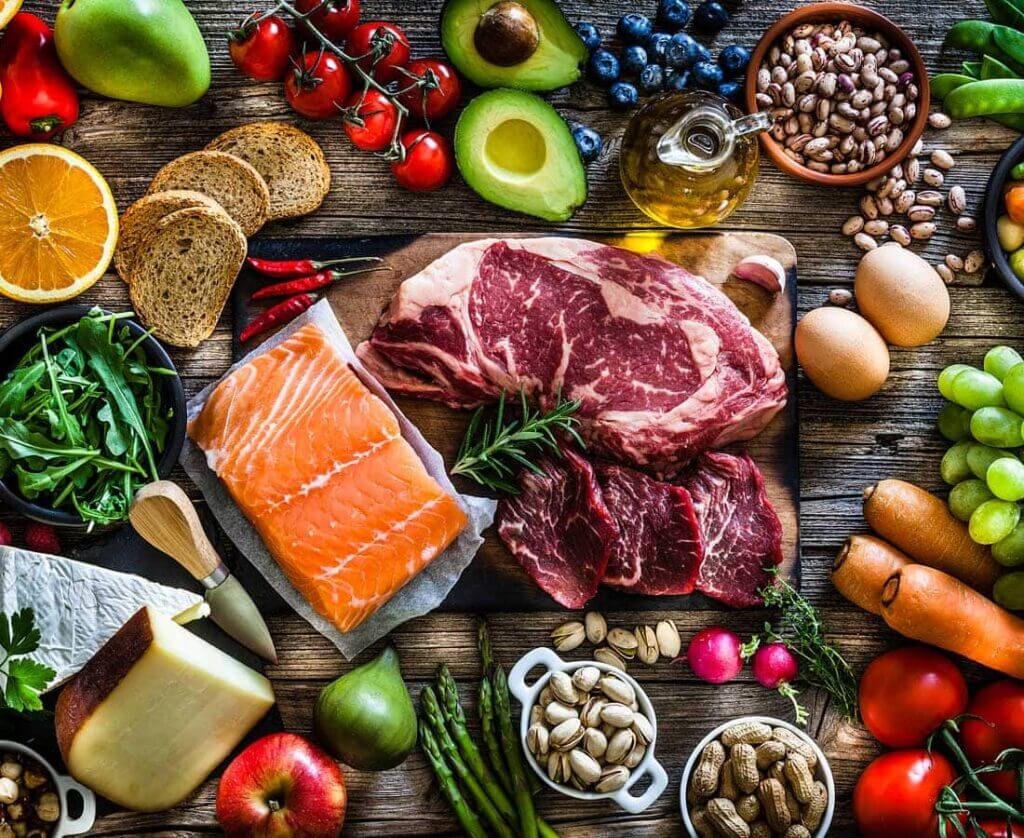
The ideas of the Weston A. Price Foundation (WAPF) and Andreas Moritz both start from the belief that the human body has a remarkable capacity for self-healing and that modern lifestyles and diets interfere with this natural ability. However, their proposed solutions differ significantly on several key points.
Here is an overview.
| Topic | Weston A. Price Foundation | Andreas Moritz |
|---|---|---|
| Core philosophy | Traditional cultures thrived on nutrient-dense animal foods, which supported excellent health. | The body heals itself when toxins, stress, and blockages are removed. |
| Main cause of disease | Nutrient deficiencies and modern processed diets. | Accumulation of toxins, gallstones, emotional stress, and impaired energy flow. |
| Diet | Rich in animal foods, organ meats, raw dairy, and saturated fats. | Predominantly vegetarian, emphasizing fruits, vegetables, and easily digestible foods. |
| Fat | Essential for hormones, brain function, and vitamin absorption. | Limits animal fats and focuses on reducing the burden on the liver and gallbladder. |
| Spiritual aspect | Minimal; primarily focused on nutrition and lifestyle. | Strong spiritual and Ayurvedic component. |
| View of health | Nourishment and rebuilding. | Cleansing and detoxification. |
Where They Agree
1. The Body Can Heal Itself
Both believe that healing comes primarily from the body’s own capacity to recover rather than from medications.
They encourage people to:
- support the body’s natural processes;
- avoid processed foods;
- live closer to nature.
2. Opposition to Ultra-Processed Foods
They share surprisingly similar views on several dietary issues:
- limit refined sugar;
- avoid refined white flour;
- reduce industrial seed oils;
- avoid artificial additives.
3. Digestion Is Fundamental
Both regard digestive health as central to overall well-being.
WAPF emphasizes:
- fermented foods;
- a healthy gut microbiome;
- adequate stomach acid;
- bone broth.
Moritz emphasizes:
- a clean, healthy liver;
- unobstructed bile flow;
- light, easily digested meals;
- adequate hydration.
Where They Differ
Animal Foods
Weston A. Price Foundation
Animal foods are considered nearly indispensable.
Recommended foods include:
- butter;
- eggs;
- liver;
- organ meats;
- fish;
- raw milk;
- meat-based broths.
According to WAPF, these foods provide nutrients that are difficult to obtain from plants alone, including vitamin A (retinol), vitamin K2, and highly bioavailable minerals.
Andreas Moritz
Moritz viewed a high intake of animal foods as potentially burdensome for the liver and gallbladder.
He generally recommended:
- vegetables;
- fruit;
- grains;
- legumes;
- small amounts of fat;
- occasionally some dairy products, depending on the individual.
His premise was that heavy fats may impair bile flow.
The Liver
Perhaps the greatest difference lies here.
Moritz
Moritz considered the liver to be the central organ involved in almost every illness.
He became well known for promoting liver and gallbladder cleanses using olive oil and citrus juice.
According to him, many health problems result from gallstones lodged within the liver.
There is little convincing scientific evidence supporting this claim. Research suggests that the “stones” passed during these cleanses are typically formed from the oil and other ingredients used in the cleanse itself rather than being actual gallstones.
WAPF
WAPF, by contrast, views the liver as an organ that requires adequate nutrition.
According to this perspective, liver function is supported by:
- fat-soluble vitamins;
- sufficient cholesterol;
- minerals;
- high-quality protein.
Dietary Fats
WAPF
Saturated fat is considered beneficial.
The organization is critical of industrial vegetable oils such as:
- soybean oil;
- corn oil;
- sunflower oil;
- canola oil.
Moritz
Moritz did not consider fat inherently harmful, but believed excessive animal fat could overburden the liver.
He more often recommended:
- avocados;
- olive oil;
- nuts;
- seeds.
Ayurveda
Moritz was strongly influenced by Ayurveda.
As a result, he also focused on:
- constitutional body types;
- emotional balance;
- daily routines;
- meditation;
- energy flow.
These concepts play little or no role in WAPF’s approach.
Their View of the Human Body
Weston A. Price Foundation
The body is viewed primarily as a biological system that requires high-quality building materials.
Metaphor:
Give the body the right nutrients, and it will rebuild itself.
Andreas Moritz
The body is viewed as an intelligent energetic system that primarily suffers from blockages.
Metaphor:
Remove the blockages, and the body will naturally heal itself.
These represent two fundamentally different ways of thinking about health.
An Interesting Common Ground
At a deeper level, both approaches are responding to the same underlying concern: the industrialization of food and modern lifestyles.
Both ask questions such as:
- What did people eat before food became highly processed?
- What effects does chronic stress have on the body?
- What role does the gut play in health?
- How can we better support the body’s natural regulatory systems?
The Weston A. Price Foundation emphasizes nourishing and rebuilding, whereas Andreas Moritz focuses primarily on cleansing and reducing the body’s burden.