
Red light therapy (RLT) has grown beyond the clinic. Once called low-level laser therapy or photobiomodulation, it’s now available in LED panels for home use. The basic idea is simple: certain wavelengths of light interact with your cells to improve energy production, reduce inflammation, and support tissue repair.
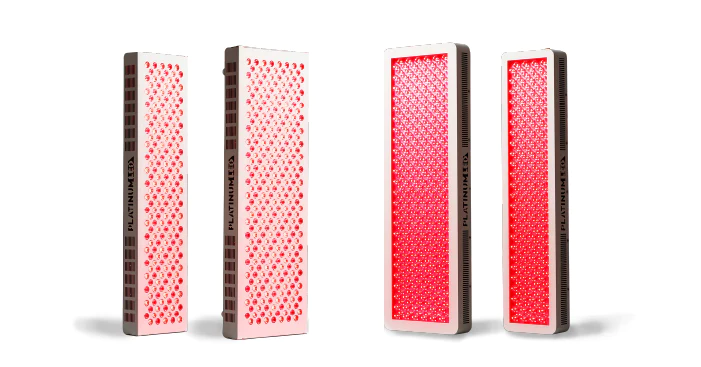
Which Wavelengths Matter?
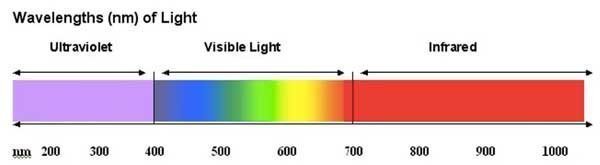
Two of the most studied ranges are:
Red light: 610–660 nm
Near-infrared (NIR): 810–850 nm
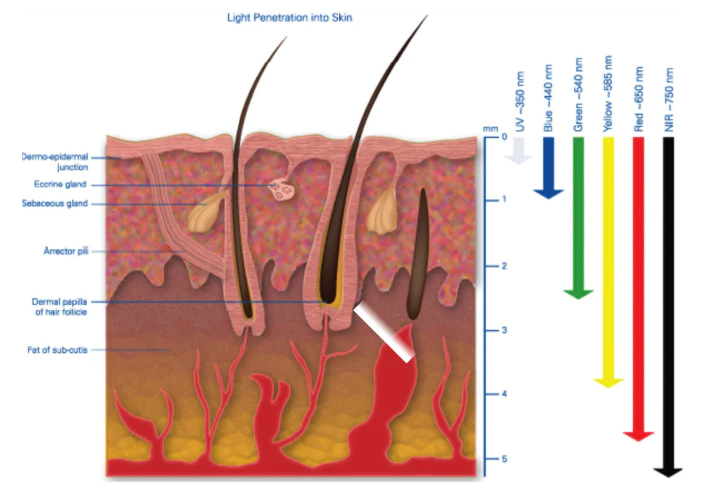
Red light penetrates the skin and upper tissues, making it ideal for skin, collagen, and superficial inflammation. NIR penetrates deeper, reaching muscles, joints, bones, and even organs. Both stimulate mitochondria, increasing ATP production — the cell’s energy currency — and trigger a cascade of biological benefits.
Shorter or longer wavelengths (below 610 nm or above 1,000 nm) either don’t penetrate deeply or are perceived primarily as heat, which can cause damage if applied incorrectly.
How Light Interacts With the Body
Your skin has three main layers:
Epidermis: 0.05–1.5 mm thick
Dermis: 1–4 mm thick
Hypodermis: 1 mm–3 cm
Beneath are muscles, bones, organs, and fluids. Red and NIR light pass through these layers, scattering and saturating tissues with energy. Using multiple wavelengths together — for instance, 630, 660, 810, 830, and 850 nm — can amplify the effect, reaching different depths simultaneously.
This combination has been shown to enhance:
Collagen and elastin production
Blood circulation and oxygenation
Wound healing
Reduced inflammation
Recovery from exercise or injury
Neurological repair in certain studies
Practical Benefits
Red light (630–660 nm):
Skin rejuvenation, fine lines, and wrinkles
Hair regrowth
Acne and chronic skin conditions
Anti-inflammatory effects
Bone and wound healing
NIR (810–850 nm):
Deep tissue recovery
Muscle repair and reduced training fatigue
Brain health and neuroprotection
Orthodontic recovery and bone growth
Studies suggest combining both ranges provides faster and more comprehensive results than using a single wavelength.
Device Considerations
Not all panels are equal. Key points:
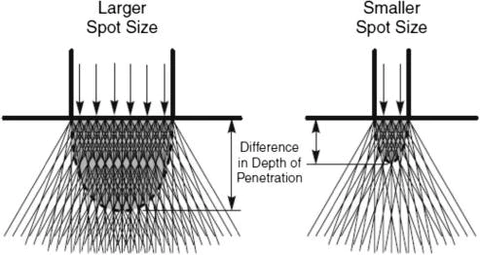
Irradiance (mW/cm²): Determines how much light energy reaches your tissues. Higher output means deeper, faster absorption.
Power: More powerful LEDs reduce session time and improve efficacy.
Coverage: Larger panels saturate more tissue at once.
Even with the right wavelengths, underpowered or small devices may not deliver meaningful results.
How to Use Red Light at Home
Begin with short sessions (a few minutes) and work up to 10–20 minutes, 3–5 times per week.
Use red light for surface-level issues, NIR for deeper tissues.
Combining wavelengths is ideal, but two-way combinations (e.g., 660 + 850 nm) can still be effective.
Consistency is key; cellular changes take weeks to months.
Red light therapy is not instant, but with patience, it can improve skin, aid recovery, reduce inflammation, and even support deeper biological systems. Think of it as gentle cellular conditioning — safe, non-invasive, and cumulative.