
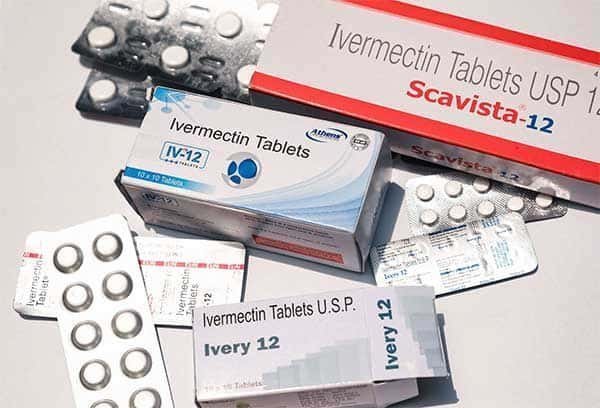
Ivermectin is a very old, very specific drug with a broad reach in the body when it’s used properly; right dose, right timing, right consistency. It started life in the 1970s as a semi‑synthetic compound from a soil bacterium and was first rolled out in animals, then approved for humans not long after.
What ivermectin actually does
Ivermectin is a broad‑spectrum anti‑parasitic. It targets worms and other unwanted guests in the gut, tissues, and on the skin by locking onto specific chloride channels in their nerves and muscles, pushing them open, hyperpolarising the cells and paralysing the parasite. It shuts their nervous system down and they die.
It’s effective against a long list of critters; gastrointestinal roundworms, lungworms, mites, lice, scabies and more; which is why its discoverers ended up with a Nobel Prize. For humans, the “respectable” boxed uses are still parasites and certain skin conditions such as rosacea and scabies.
Safety, toxicity and the “horse paste” circus
Because people only heard of ivermectin during COVID, many now think of it as “that horse de‑wormer”. In reality, it’s one of the most heavily studied anti‑parasitic drugs on the planet and has been used in millions of humans over decades. At normal human doses it has a wide safety margin; problems show up when people push into silly territory, just as they would if you tried to live on nothing but water.
The patent is long gone, so no one’s getting rich pushing it. That, more than anything, explains why it’s quietly parked in the “old cheap parasite tablet” drawer while newer, shinier and more profitable pills get the full red‑carpet treatment. As for horse paste: yes, it can contain extra fillers and industrial‑grade material you’d rather not swallow. Pharmaceutical‑grade ivermectin is a cleaner option than random farm‑supply goop.
Immunomodulation and wider effects
Beyond the parasite story, ivermectin clearly has immunomodulating and anti‑inflammatory effects, which is why dermatologists use it for rosacea and other inflammatory skin conditions. It doesn’t simply “boost” immunity; it tends to nudge an over‑ or under‑reactive immune response back towards balance, which is exactly what you want if chronic inflammation is part of the picture.
In lab and tissue‑culture work, ivermectin has shown antiviral, anticancer and antimetabolic effects at concentrations higher than standard parasite dosing. That doesn’t automatically translate into plug‑and‑play cures in real humans, but it does explain why so many people started experimenting with it well beyond its original remit.
Parasites, protocols and die‑off
Because it hits a broad array of endoparasites (inside the body) and ectoparasites (on the skin), ivermectin lends itself to “protocol” thinking: weight‑based dosing, several days on, several days off, and repeating cycles long enough to catch adults and newly hatched stragglers. People with a heavy parasite load can feel rough with the first doses; shortness of breath, gut discomfort, flu‑ish malaise – largely from die‑off and the junk those organisms dump when they’re being killed.
Those so‑called Herxheimer reactions are uncomfortable but not mysterious; if symptoms are extreme, easing off for a day or two and then resuming at a lower dose is a more sensible move than charging on blindly. Combining ivermectin with other anti‑parasitics like albendazole or fenbendazole is a known strategy in the literature, as they hit different targets in the parasite, but that also ramps up both effectiveness and potential side‑effects.
Interactions, half‑life and “don’ts”
Ivermectin hangs around: its half‑life is roughly in the 16‑hour ballpark, and it takes several days for blood levels to fall back towards baseline. That’s useful if you want a sustained effect, but it matters when you’re mixing it with other drugs that share metabolic pathways or affect the nervous system. Certain antibiotics, anticoagulants and vaccines have been flagged as combinations to treat with caution, so checking for known interactions is not optional.
Binders such as activated charcoal, clays and similar products can mop up medicines in the gut as well as toxins, so you don’t want them competing with ivermectin. Leave a clear gap of several hours between any binder and your ivermectin dose so the drug actually has a chance to do its job