
Digestive issues are the centerpiece of Andreas Moritz work. He takes us through his understanding of how “other than the best foods” disrupt the digestive process and make their way into toxicity for the body.
Andreas: A lot of people respond to the current crisis with a great deal of anxiety. And that translates into very powerful changes in their body. I get a lot of people who are so worried that literally the body is starting to malfunction.
You see that it translates into digestive problems foremost of all. They feel it in their stomach. They can no longer digest food very well. They get bloated. They get symptoms of pain or distension and anxiety in the body.
People perceive the current situation in a negative way. And because they see it negatively, they translate that into biochemistry that becomes destructive in the body. We produce two sets of chemicals: some that enhance well-being and others that diminish it.
If you produce stress hormones on a regular basis, not just in fight-or-flight moments, but all the time, then you’re producing cortisol, adrenaline, noradrenaline. Cholesterol is also a stress hormone. Too much of these can suppress the immune system.
Adrenaline shifts blood to muscles and bones so you can run away, but it reduces blood flow to the gastrointestinal tract. So you don’t digest your food well anymore. Under stress, digestion literally stops.
People eat emotionally in that state. They look for foods that raise blood sugar quickly. The cells then become nervous, anxious, and irritable.
Every cell can produce adrenaline, noradrenaline and cortisol. So you get nervousness on a cellular level.
The cells in our body are not just machines. They have a consciousness. They send signals through enzymes and light signals to the heart, brain and other cells. Every cell knows what every other cell is doing.
If liver cells become stressed due to toxins or medications, bile ducts can become clogged. Then bile flow is reduced, and you don’t digest food properly. You have less absorption of nutrients. The cells start to “cry out” for food.
That internal shortage creates stress from the inside out. People then eat emotionally to relieve that stress, which leads to more digestive problems and eventually illness.
If you are under stress, drinking a glass of water can help. It thins the blood, dilutes stress hormones, and lowers blood pressure. Then you can eat more calmly.
If it’s real hunger, then the body needs nutrients. If you don’t provide them, the body will start digesting itself.
If it’s not real hunger, it can be the body digesting waste products, causing gas and discomfort. That is not true hunger.
Lipomas are fat deposits the skin is trying to get rid of when the liver cannot remove toxins properly. Fat can enter the bloodstream after eating and circulate. If the liver is overloaded, fat can be deposited into connective tissue and skin.
The liver is primarily responsible for keeping the blood clean. To remove lipomas, the liver bile ducts need to be cleaned.
Even after a liver flush, stones can continue to come from deeper parts of the liver. So you may need repeated cleansing until no more stones come out.
If you don’t do colon cleansing after a liver flush, stones may remain in the colon. That is why colonic irrigation is important after a flush.
Bacteria only go into a contaminated body. They do not infect healthy cells. They can only affect unhealthy cells that are already not functioning properly.
Medicine says we kill germs and the person goes home, but they know there will be reinfection because the underlying cause was not addressed.
If infections are suppressed many times, you may eventually develop something more serious such as cancer.
Antibiotics are becoming a leading cause of cancer.
The heart itself is a very strong pump, but if blood vessels become stiff due to animal proteins, this puts stress on the heart. Proteins in the bloodstream can thicken the blood and cause circulation problems.
The body tries to dump excess proteins into connective tissue, forming fibrous structures that stiffen blood vessels. This increases blood pressure and workload on the heart.
Animal proteins such as chicken, fish, and eggs are hard on the body. Meat consumption has been linked to increased risks of blood cancers and prostate cancer.
Most animal protein is not fully digestible. Humans can only digest a small portion compared to carnivorous animals. The rest ferments in the intestines and produces toxic substances such as nitrosamines, cadaverine, and putrescine, which are carcinogenic.
Processed meat additives such as nitrates and nitrites are also carcinogenic.
Undigested food leads to lymphatic congestion in the abdomen. This can affect lymph drainage through the thoracic duct, which is connected to heart drainage and overall detoxification.
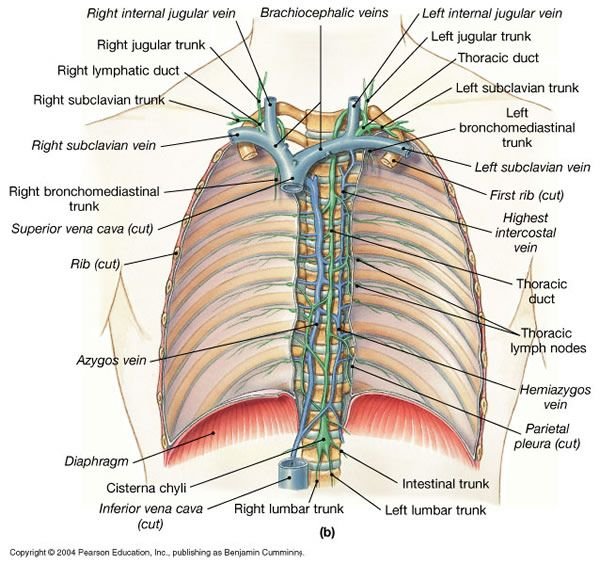
When lymph becomes congested, metabolic waste like lactic acid, uric acid, urea, and ammonia cannot be removed properly, which weakens organs including the heart.
If digestion is impaired, toxins can travel through the lymph system and affect other areas such as the throat, teeth, ears, eyes, and hair follicles, causing various symptoms.
The pH of urine should not be artificially forced into an alkaline state, as this can lead to kidney stones. pH naturally fluctuates depending on bodily needs.
The body requires both acidic and alkaline conditions in different organs. Trying to force alkalinity is not natural.
Many extreme acid-forming foods deplete minerals in the body. Cooked and processed animal foods are particularly damaging because they destroy protein structure.
Even organic or free-range meat is still dead tissue and difficult for humans to digest due to low stomach acid compared to carnivores.
Carnivorous animals have very strong digestive acids and sleep most of the day because their digestion is energy intensive. Humans are not designed the same way.
Fluoride and aspartame are harmful substances. Aspartame is considered a brain-damaging chemical. Some claims suggest it has been protected by regulatory agencies and is present in many processed foods and drinks.
Some drugs and outdated pharmaceuticals may end up in water supplies, meaning people are indirectly exposed to pharmaceutical residues.
Hypothyroidism is widespread and often linked to lymphatic congestion, particularly in the abdominal region.
The cisterna chyli and thoracic duct are key lymph drainage systems. If they are congested, waste accumulates and affects organs from the rib cage down.
The thyroid drains through the lymph system, so lymph congestion can lead to toxin buildup in the thyroid and hormonal imbalance.
Melatonin regulates thyroid function. It is produced during sleep, especially when going to bed before 10 PM in darkness.
Going to bed late reduces melatonin production and may negatively affect thyroid and endocrine function.
The liver works most actively between 10 PM and 2 AM and requires proper blood distribution during sleep.
Eating late interferes with digestion because digestive capacity is lower at night.
There is hardly anything going on in the digestive system at night because the body needs the blood in the liver. The liver is the most important organ and performs many functions.
If you eat a lot of food at night, you divert blood and energy away from the liver, which then cannot perform its many functions.
The problem with taking hydrochloric acid supplements or digestive enzymes is that they can create dependency and may cause further imbalance in digestion.
If you introduce hydrochloric acid without enough bile flow from the liver, it can damage the lower intestines and contribute to issues such as leaky gut.
Digestive problems are often not caused by a lack of stomach acid itself, but by blocked bile ducts in the liver. When bile flow is reduced, digestion is impaired.
There is a feedback relationship between bile production and stomach acid secretion. If bile is low, hydrochloric acid production is also affected.
The idea that aging is simply a natural decline in stomach acid is incorrect. Aging is more related to accumulated toxins, clogged bile ducts, and lymph congestion.
Health improves when the main elimination organs—the liver, kidneys, and colon—are cleansed and the diet is adjusted so that digestion is efficient.
Eating the main meal at lunchtime improves digestion and nutrient absorption. Evening meals should be lighter.
Many people experience heartburn at night because digestion is weaker in the evening.
There are different body types, and each type digests food differently. Not all foods are suitable for everyone. Some body types (such as vata) are more sensitive and can become unbalanced easily. Others (kapha) are more stable and can tolerate fasting better.
Fasting is not suitable for everyone. Some people require regular food intake and sufficient fats to maintain bile flow.
Carbohydrates like rice and potatoes are often poorly tolerated when eaten without enough fat or bile support.
Fats such as olive oil, coconut oil, ghee, and butter help digestion when combined with carbohydrates.
In the evening, lighter fats such as butter or ghee are preferable because oils take longer to digest.
Cod liver oil is harmful due to its high vitamin A content, which can damage the liver and disrupt vitamin balance in the body. Vitamin A should ideally be produced naturally in the body from plant carotenoids rather than taken in concentrated form.
Hemp oil (from the marijuana plant) is claimed to have strong medicinal properties, including tumor-dissolving effects when in a distilled form. Some natural substances have been restricted or made illegal despite potential medical benefits.
Smoking tobacco is harmful due to chemical additives, even though the natural tobacco plant itself has traditional medicinal uses.
Many natural remedies are becoming restricted through regulations, limiting access to alternative treatments. There is concern that economic and medical systems are shifting in ways that reduce access to natural healing methods.
The current economic system is unstable and may collapse, leading to a return to self-sufficiency, such as growing food and using natural remedies locally.