
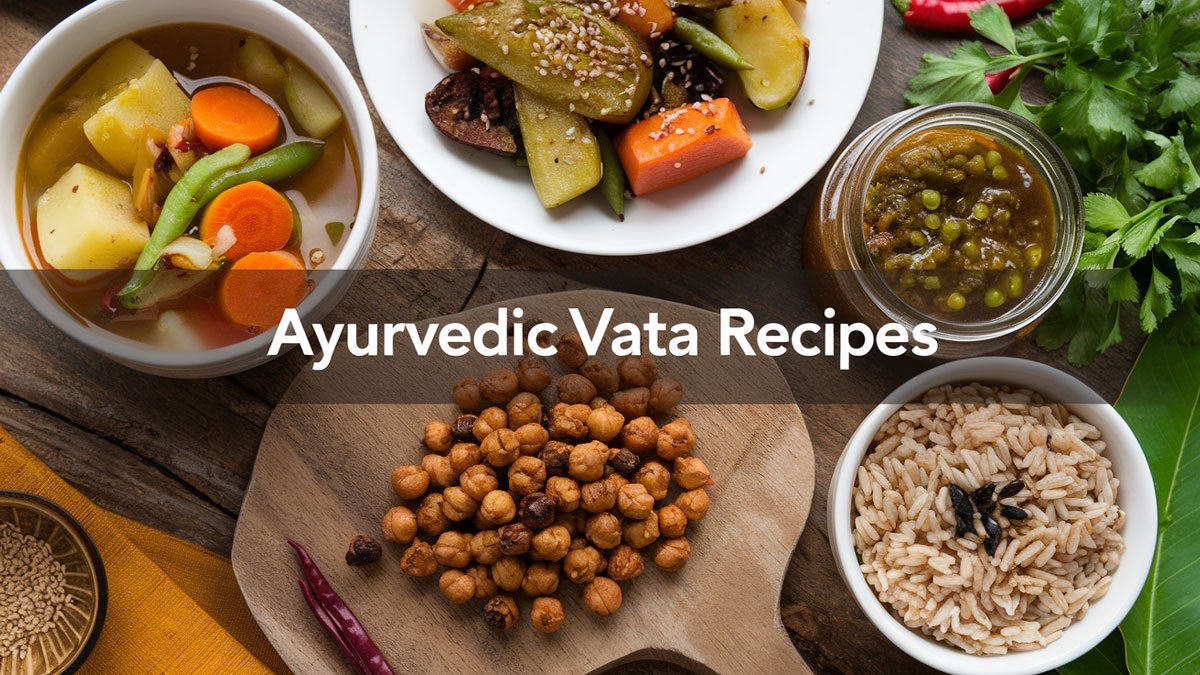
source: https://www.ayurvedhealing.com/vata-diet-guide-foods-meal-plan/
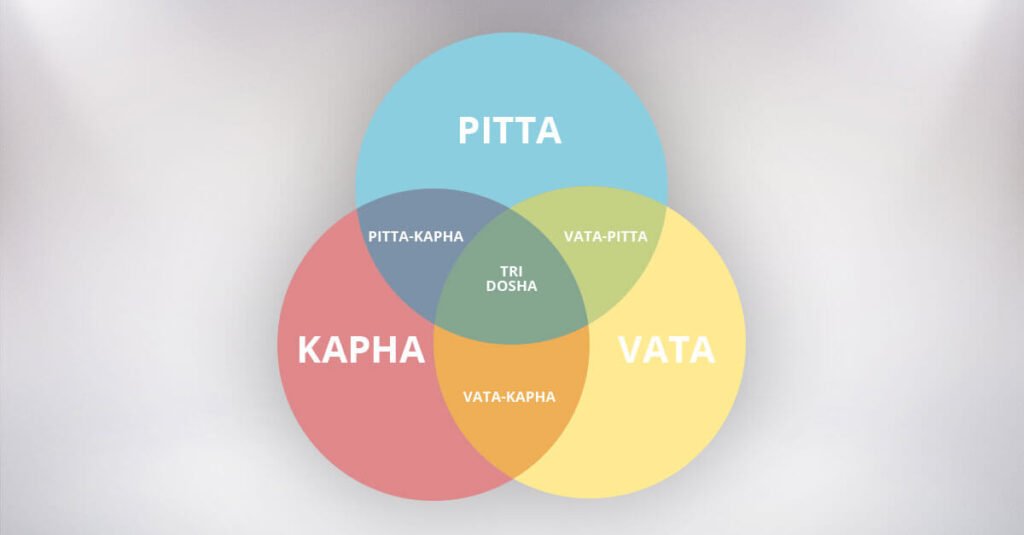
Vata dosha, governed by the elements of air and ether (Vayu and Akasha), is the force responsible for all movement in the body. It controls nerve impulses, circulation, respiration, elimination, and the flow of thoughts. When balanced, Vata produces creativity, enthusiasm, and mental agility. When aggravated, it manifests as anxiety, insomnia, dry skin, constipation, bloating, and joint pain. Because Vata-dominant individuals are especially sensitive to environmental and dietary triggers, food choices serve as the most immediate and effective tool for maintaining equilibrium.
Ayurveda teaches that diet is not merely about nutrients but about qualities. Every food carries specific Gunas (qualities) and Rasas (tastes) that either pacify or aggravate each dosha. For Vata, the goal is to counter its inherent cold, dry, light, mobile, and rough qualities with foods that are warm, moist, grounding, nourishing, and smooth. This guide provides a comprehensive framework for building a Vata-balancing diet rooted in classical Ayurvedic principles and supported by modern nutritional understanding.
Understanding Vata Through the Six Tastes (Shad Rasa)
The Ayurvedic system of six tastes provides the foundational logic for dosha-specific dietary recommendations. Each taste is composed of two elements and produces predictable effects on the doshas (Payyappallimana & Venkatasubramanian, 2016).
Tastes That Pacify Vata
- Sweet (Madhura): Composed of earth and water, sweet taste is the most important for Vata pacification. It is heavy, moist, and cooling, directly countering Vata’s light and dry nature. Sources include whole grains, root vegetables, ghee, milk, dates, and natural sweeteners.
- Sour (Amla): Composed of earth and fire, sour taste stimulates appetite, improves digestion, and adds moisture. Fermented foods, citrus fruits, yogurt, and tamarind provide sourness that grounds Vata.
- Salty (Lavana): Composed of water and fire, salty taste retains moisture, stimulates digestion, and has a grounding effect. Mineral salts, sea vegetables, and naturally salty foods support Vata balance.
Tastes That Aggravate Vata
- Bitter (Tikta): Composed of air and ether, the same elements as Vata, bitter taste increases cold, dry, and light qualities. While medicinal bitters have therapeutic value, excess bitter foods destabilize Vata.
- Astringent (Kashaya): Composed of air and earth, astringent taste dries and constricts tissues. Raw vegetables, unripe fruits, and dried beans are highly astringent and challenging for Vata digestion.
- Pungent (Katu): Composed of fire and air, pungent taste in excess can dry and deplete tissues. However, moderate use of warming spices like ginger and black pepper actually supports Vata digestion.
Vata-Pacifying vs. Vata-Aggravating Foods
The following comprehensive table organizes foods by category, distinguishing those that calm Vata from those that increase it. This serves as a practical reference for daily meal planning.
| Food Category | Vata-Pacifying (Favor) | Vata-Aggravating (Reduce or Avoid) |
|---|---|---|
| Grains | Basmati rice, wheat, oats (cooked), quinoa, amaranth | Barley, millet, corn, buckwheat, dry cereals, rice cakes |
| Legumes | Mung dal, red lentils (well-cooked with spices), tofu (warm) | Chickpeas, kidney beans, black beans, split peas, raw soy |
| Vegetables | Sweet potato, beets, carrots, asparagus, zucchini, okra, cooked leafy greens | Raw salads, broccoli, cauliflower, cabbage, sprouts, raw onions, dried vegetables |
| Fruits | Bananas, avocados, mangoes, grapes, cherries, cooked apples, dates, figs | Dried fruits (excess), cranberries, pomegranate, raw apples, watermelon |
| Dairy | Warm milk, ghee, butter, fresh cheese (paneer), cream, lassi | Cold milk, ice cream, frozen yogurt, hard aged cheeses |
| Proteins | Eggs, chicken, fish, bone broth, warm tofu | Red meat in excess, dry or jerky-style meats, cold cuts |
| Oils | Sesame oil, ghee, olive oil, almond oil, avocado oil | No oils are specifically aggravating; minimal oil worsens Vata |
| Sweeteners | Jaggery, raw honey, maple syrup, dates, molasses | White sugar, artificial sweeteners |
| Spices | Ginger, cumin, cinnamon, cardamom, fennel, turmeric, asafoetida (hing) | Excess cayenne, excess raw garlic, excess fenugreek |
| Nuts & Seeds | Almonds (soaked), cashews, walnuts, sesame seeds, pumpkin seeds | Excess dry roasted nuts, popcorn |
| Beverages | Warm water, ginger tea, spiced milk, warm herbal teas | Iced drinks, carbonated water, cold smoothies, excess coffee |
Dietary Principles for Vata Balance
Beyond specific food choices, how and when food is consumed matters enormously for Vata types. The following principles, drawn from the Charaka Samhita’s Vimanasthana chapter on dietetics, provide a framework for optimal eating habits (Frawley, 2000).
Eat Warm, Cooked, and Unctuous Foods
Raw and cold foods increase Vata’s already cold and dry qualities. Cooking breaks down fiber, releases nutrients, and makes food easier to digest. Adding healthy fats like ghee, sesame oil, or olive oil to every meal provides the unctuousness (Snigdha Guna) that Vata craves. Soups, stews, dahls, and porridges are ideal Vata-pacifying preparations.
Maintain Regular Meal Times
Vata’s mobile and irregular nature makes it prone to erratic eating patterns. Skipping meals or eating at inconsistent times destabilizes Agni (digestive fire), leading to gas, bloating, and malabsorption. Eating three meals daily at approximately the same times establishes the routine that Vata needs. The Ayurvedic daily routine recommends breakfast by 8 AM, lunch as the largest meal between 12 and 1 PM, and a lighter dinner before 7 PM.
Avoid Incompatible Food Combinations
Ayurveda identifies specific food combinations (Viruddha Ahara) that impair digestion and produce Ama (metabolic toxins). For Vata types, whose digestive fire is already variable, avoiding incompatible combinations is especially important. Key combinations to avoid include fruit with dairy (except cooked preparations), milk with sour foods, and honey heated above 40 degrees Celsius.
Favor the Qualities of Snigdha, Ushna, and Guru
Every meal should incorporate foods that are oily/moist (Snigdha), warm (Ushna), and moderately heavy/nourishing (Guru). These qualities directly oppose Vata’s Ruksha (dry), Sheeta (cold), and Laghu (light) attributes. A research review on Ayurvedic dietary principles confirmed that these quality-based food selections align with anti-inflammatory and gut-supportive nutritional patterns (Wallace, 2020).
Sample Weekly Meal Plan for Vata Balance
Monday
- Breakfast: Warm oatmeal with ghee, cinnamon, cardamom, soaked almonds, and a drizzle of maple syrup
- Lunch: Kitchari with seasonal vegetables, a dollop of ghee, and a side of steamed beet salad with lemon
- Dinner: Sweet potato and carrot soup with cumin and ginger, served with warm chapati
Tuesday
- Breakfast: Semolina upma with ghee, mustard seeds, curry leaves, and steamed carrots
- Lunch: Basmati rice with mung dal, sauteed zucchini, and turmeric-coriander seasoning
- Dinner: Pumpkin and red lentil stew with ginger, cumin, and a squeeze of lime
Wednesday
- Breakfast: Warm spiced milk (with turmeric, ginger, cinnamon) and soaked dates with walnuts
- Lunch: Vegetable biryani with basmati rice, paneer, peas, and warming spices
- Dinner: Asparagus and leek soup with a side of warm quinoa pilaf
Thursday
- Breakfast: Poha (flattened rice) with peanuts, turmeric, curry leaves, and lemon juice
- Lunch: Whole wheat roti with ghee, seasoned okra, and warm dal
- Dinner: Egg drop soup with spinach, rice noodles, and ginger broth
Friday
- Breakfast: Banana pancakes with cardamom, topped with warm stewed fruit
- Lunch: Brown rice bowl with baked fish, steamed green beans, and tahini dressing
- Dinner: Creamy tomato soup with basil and warm sourdough bread
Weekend
- Breakfast: Chia pudding (made with warm almond milk overnight, served at room temperature) with mango
- Lunch: A heartier meal: layered vegetable lasagna or warm grain bowls with roasted root vegetables
- Dinner: Light soup or warm dalia (broken wheat porridge) with seasonal vegetables
Three Vata-Balancing Recipes
Recipe 1: Warming Ginger-Carrot Soup
This simple soup embodies the sweet, warm, and unctuous qualities that Vata requires. Carrots provide sweet taste and beta-carotene, while ginger kindles Agni without aggravating Pitta excessively.
- 4 large carrots, peeled and chopped
- 1 tablespoon fresh ginger, grated
- 1 tablespoon ghee
- 1/2 teaspoon cumin powder
- 1/4 teaspoon cinnamon
- 3 cups vegetable broth
- Salt to taste
Heat ghee in a pot. Saute ginger and cumin for 1 minute. Add carrots and broth. Simmer for 20 minutes until carrots are tender. Blend until smooth. Add cinnamon and salt. Serve warm with a swirl of cream or coconut milk.
Recipe 2: Sesame-Date Energy Balls
These no-cook snacks provide sustained energy through healthy fats and natural sweetness, making them ideal for Vata types who need nourishing between-meal support.
- 10 Medjool dates, pitted
- 1/4 cup sesame seeds, toasted
- 2 tablespoons almond butter
- 1 tablespoon ghee
- 1/4 teaspoon cardamom powder
- Pinch of sea salt
Blend dates in a food processor until a sticky paste forms. Mix in almond butter, ghee, cardamom, and salt. Roll into small balls, then coat in toasted sesame seeds. Store in the refrigerator; bring to room temperature before eating.
Recipe 3: Vata-Pacifying Golden Milk
This classic Ayurvedic preparation combines the anti-inflammatory properties of turmeric with the warming, grounding qualities of whole milk and ghee (Aggarwal et al., 2007).
- 1 cup whole milk (or almond milk for dairy-free option)
- 1/2 teaspoon turmeric powder
- 1/4 teaspoon ginger powder
- 1/4 teaspoon cinnamon
- 1 teaspoon ghee
- 1 teaspoon raw honey (added after cooling slightly)
- Pinch of black pepper (to enhance curcumin absorption)
Warm milk in a saucepan over medium heat. Whisk in turmeric, ginger, cinnamon, and black pepper. Simmer gently for 3-4 minutes without boiling. Remove from heat, add ghee, and allow to cool slightly before stirring in honey. Drink warm, ideally 30 minutes before bedtime.
Seasonal Adjustments for Vata Diet
Vata is naturally highest during autumn and late winter (Sharad and Shishira Ritu in the Ayurvedic calendar), when the environment mirrors Vata’s cold, dry, and windy qualities. During these seasons, the diet should become even more warming, nourishing, and oil-rich.
Autumn and Early Winter (Peak Vata Season)
- Increase ghee, sesame oil, and warm soups in every meal
- Favor root vegetables: sweet potatoes, beets, carrots, turnips
- Add warming spices generously: ginger, cinnamon, nutmeg, cloves
- Drink warm water throughout the day; avoid cold beverages entirely
- Consider Chyawanprash as a daily immune and Vata-balancing supplement
Spring and Summer (Reduced Vata Season)
- Slightly lighter meals are acceptable, though Vata types should not adopt the light spring diet recommended for Kapha types
- Incorporate more sweet, juicy fruits: mangoes, grapes, melons
- Reduce heavy oils; lighter oils like coconut oil become appropriate
- Room temperature water is acceptable, but iced drinks should still be avoided
- Fresh herbs like cilantro and mint can be added for cooling without excessively drying
Common Mistakes in Vata Diet
Several well-intentioned dietary practices can inadvertently worsen Vata imbalance. Research on digestive physiology supports the Ayurvedic perspective on many of these patterns (Singh et al., 2018).
- Excessive raw food diets: While raw vegetables contain valuable enzymes, Vata’s weak and variable Agni struggles to process large amounts of raw fiber. Lightly cooking vegetables preserves most nutrients while dramatically improving digestibility.
- Juice cleanses and fasting: Extended fasting or liquid-only cleanses rapidly deplete Vata, often resulting in anxiety, insomnia, and severe constipation. Short, gentle cleanses using warm cooked foods like kitchari are far more appropriate.
- Low-fat diets: Fat restriction is particularly detrimental for Vata types, who require dietary oils and fats for nerve insulation, joint lubrication, and skin hydration. Healthy fats should constitute 25-35% of total caloric intake for Vata-dominant individuals.
- Excess caffeine: Coffee and black tea stimulate the nervous system and can worsen Vata’s tendency toward anxiety, restlessness, and sleep disruption. Switching to warm herbal teas or limiting coffee to one small cup with warm milk is advisable.
- Eating while distracted: Vata’s mobile nature already scatters digestive energy. Eating while working, driving, or scrolling on devices further impairs digestion. Mindful eating in a calm environment significantly improves nutrient absorption and reduces bloating.
Complementary Practices for Vata Diet
Diet works best when supported by compatible lifestyle practices. Abhyanga (warm oil self-massage) with sesame oil before bathing calms the nervous system and deeply nourishes dry Vata tissues. Nadi Shodhana (alternate nostril breathing) before meals settles the mind and prepares Agni for optimal digestion. Regular sleep and wake times provide the structure that Vata’s irregular tendencies require.
“When diet is wrong, medicine is of no use. When diet is correct, medicine is of no need.” – Ayurvedic proverb
Building a Vata-balancing diet is not about rigid restriction. It is about cultivating awareness of how food qualities interact with individual constitution. With consistent application of these principles, most Vata imbalances, including digestive irregularity, anxiety, dry skin, and fatigue, begin to shift within 2-4 weeks. The journey toward balance starts with the next warm, nourishing meal on the plate.