
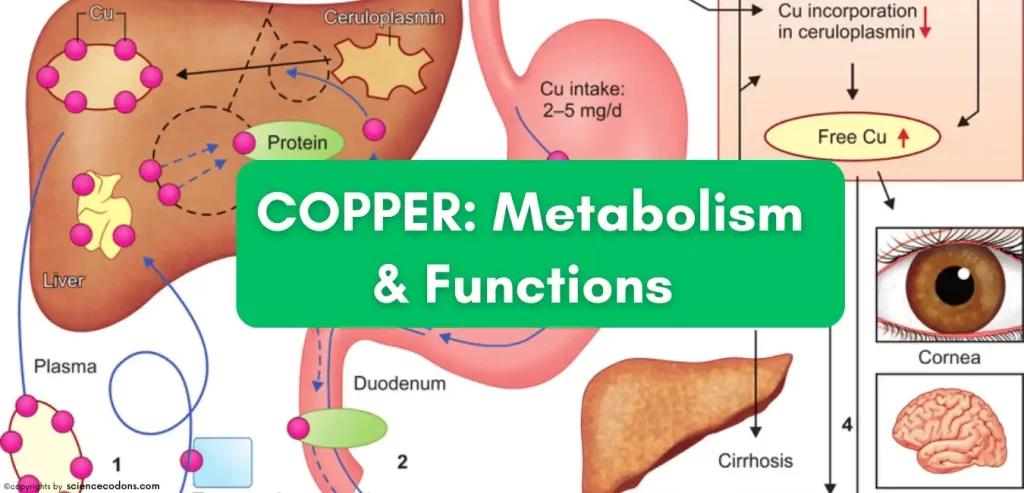
Copper is absolutely essential for a variety of vital functions in the body, such as iron absorption, immune function, energy production (ATP), and neurological health. However, too much copper or a copper deficiency can both cause significant health issues. When there’s an excess of copper, it can accumulate in the body and lead to toxicity, with symptoms such as headaches, fatigue, digestive issues, anxiety, and even neurological disorders. This can stem from long-term imbalances in metabolism, often triggered by stress, nutrient deficiencies, or even genetic factors (such as disrupted methylation).
On the other hand, a copper deficiency can prevent your body from absorbing iron properly. Without sufficient copper, your body cannot synthesise ceruloplasmin, a protein vital for transporting iron in your blood. As a result, this can lead to anaemia, along with fatigue, skin issues, and a weakened immune system. This imbalance can affect various aspects of your health, showing that both excess and deficiency can have far-reaching consequences.
There’s also a complex interaction between copper, iron, and vitamin B12 in the body. Vitamin B12 plays a key role in copper and iron metabolism. A B12 deficiency can disrupt both iron absorption and copper function, contributing to chronic fatigue and exacerbating issues with both copper and iron levels.
The Weston A. Price Foundation emphasises the importance of animal fats (like fats from meat, bone broth, and liver), especially for individuals with disrupted metabolism or chronic stress, as these fats are crucial for overall health, hormone balance, and a well-functioning nervous system.
Stress is another factor that messes with your copper metabolism. Chronic stress raises your cortisol levels, which can disrupt copper balance, sometimes causing copper stagnation; too much copper being stored in tissues, which can lead to hormonal imbalances and increased inflammation.
Looking back, I can now see how my interests as a child were very different from those around me, especially on a spiritual level. It’s often said that a copper imbalance can make you feel drawn to more ethereal, creative, or even mystical pursuits. Children with an excess of free copper tend to be the dreamy, sensitive types, often feeling like they don’t quite fit into the “normal” world. This seems to fit with my own experiences of feeling out of sync and disconnected, especially in my childhood.
I also had an experience with a copper IUD at one point, hoping it would help regulate certain things. But instead, I experienced very heavy bleeding as a result. This, once again, pointed to a copper imbalance; my body simply couldn’t process or handle the copper properly. The intensity of the reaction was a clear sign that my body rejected it. This event made me realise that my copper metabolism is likely out of balance, and that my body can’t utilise copper effectively, which then leads to symptoms like these.
What I’ve come to understand is that people with excess copper often experience heightened intuition and are drawn to more spiritual openness. However, this can also make them more susceptible to emotional and energetic overload. This imbalance directly impacts not just your emotional well-being, but also your physical health and energy flow.
If the body can’t properly process copper, it can lead to a form of copper toxicity, which can manifest in hormonal disturbances, increased inflammation, and a wide range of physical reactions. This entire cycle makes it clear how crucial it is to address copper imbalances; whether it’s an excess or a deficiency; in order to restore balance and promote overall well-being.
Further reading / references:
- Walsh, W.J. – Nutrient Power
- Robbins, M. – Root Cause Protocol
- Gittleman, A.L. – Why Am I Always So Tired?
- Weston A. Price Foundation
- Wilson, L. – Nutritional Balancing