

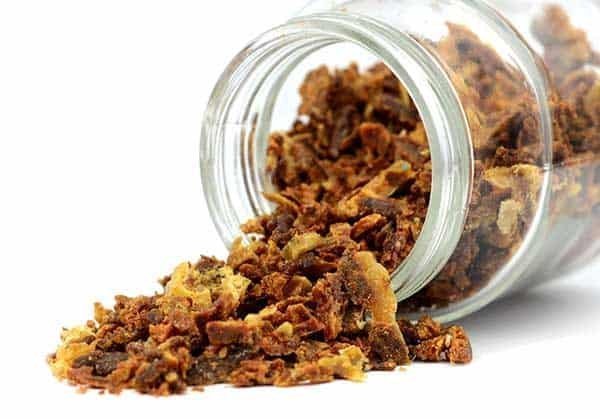
Propolis is a resin-like substance produced by honey bees, designed to protect and maintain the hive. Bees collect natural sap from plants, mix it with enzymes and beeswax, and use it to seal gaps, repair honeycombs, and defend the hive against viruses and bacteria. This natural “bee glue” is packed with flavonoids and phenolic compounds, which provide potent antioxidant, antimicrobial, and anti-inflammatory properties. Interestingly, because it’s a product of both plant and bee immune systems, propolis also supports human immunity when consumed or applied.
Health Benefits of Propolis
Propolis offers a wide range of benefits for human health, supported by both traditional use and modern research:
Antimicrobial Power – Propolis is naturally antibacterial, antifungal, and antiviral. Studies have shown it can be more effective than traditional antimicrobials in eliminating certain germs, including those in the mouth and root canals. Historically, it has been used to combat colds, flu, and other infections.
Immune Support – The flavonoids and phenolics in propolis help boost the immune system. Regular intake may strengthen the body’s defenses against infections, while topical applications can support skin and mouth health.
Cardiovascular Benefits – Propolis may help lower blood pressure. Research on animals suggests that it can increase nitric oxide availability, which relaxes blood vessels, promotes better blood flow, and supports healthy heart function.
Bone Health – Certain compounds in propolis, such as caffeic acid phenethyl ester (CAPE), may suppress inflammation linked to bone diseases and support bone tissue maintenance, potentially helping prevent or manage osteoporosis.
Anti-Allergy Effects – Propolis has been shown to inhibit histamine release from mast cells, reducing symptoms like sneezing, runny nose, and watery eyes during allergy season.
Anti-Cancer Properties – Lab studies indicate propolis can selectively induce cell death in prostate and colon cancer cells while leaving healthy cells unharmed. These findings suggest propolis may play a role in cancer prevention and treatment support.
Digestive and Food Safety Support – Propolis exhibits antimicrobial activity against pathogens responsible for food poisoning, such as Campylobacter jejuni and Staphylococcus aureus, potentially supporting traditional therapy and preventing infection.
Dental and Oral Health – Propolis has anti-inflammatory and protective effects on teeth and gums. It may help control inflammation following dental injuries and improve oral health overall.
Athletic Performance and Heat Stress – Its antioxidant properties, particularly CAPE, may reduce oxidative stress during exercise, protect against overheating, and enhance endurance in athletes.
Skin Health and Warts – Propolis has been used for centuries in traditional medicine to treat minor wounds and skin infections. Studies show it can effectively treat warts, including plantar warts, with high success rates.
How Propolis Is Harvested and Standardized
Commercially, propolis is often collected using “propolis traps,” plastic screens placed in hives that encourage bees to deposit propolis. Once harvested, it undergoes extraction and purification, with quality markers like the Propolis Flavonoid Level (PFL®) used to measure active flavonoids and phenolics. Products are available in multiple strengths for both internal and topical use, making propolis a versatile natural supplement.
Conclusion
From supporting the immune system to fighting infections, reducing inflammation, protecting the heart, promoting bone health, and even showing promise in cancer prevention, propolis is one of nature’s most potent remedies. Its combination of antioxidants, antimicrobial compounds, and historical use across civilizations underscores why this “bee medicine” continues to gain attention in modern health and wellness practices.